
best vr tennis games 2026 is a deceptively tricky search, because “best” can mean realistic swing physics, sweaty cardio, strong matchmaking, or just a game that won’t make your shoulder hate you after two sets.
If you’ve tried a couple VR sports titles and felt something was off, you’re not imagining it, tennis is one of the hardest sports to translate into VR because timing, spin, footwork, and latency all matter at once. The good news is that the current lineup has clearer “best for X” options than a few years ago.
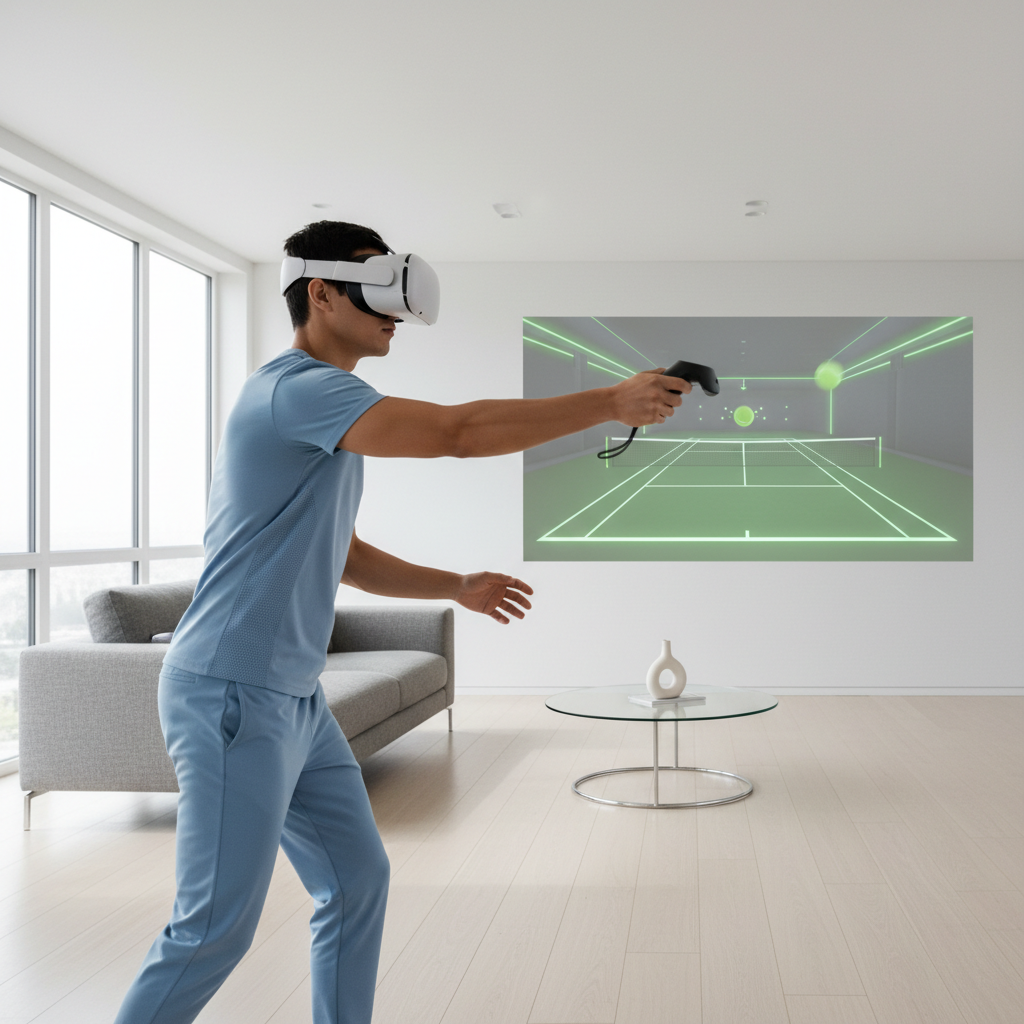
This guide keeps it practical, what each top game actually does well, how to pick based on your space and body, and the settings that usually fix the most common “this feels weird” complaints. You’ll also get a quick table, a short decision checklist, and a few comfort and safety notes that people skip until they tweak a wrist.
Quick comparison: the top VR tennis picks in 2026
If you just want a fast shortlist, start here. These are widely recognized VR tennis options, but what you’ll enjoy depends on your priorities and your headset ecosystem.
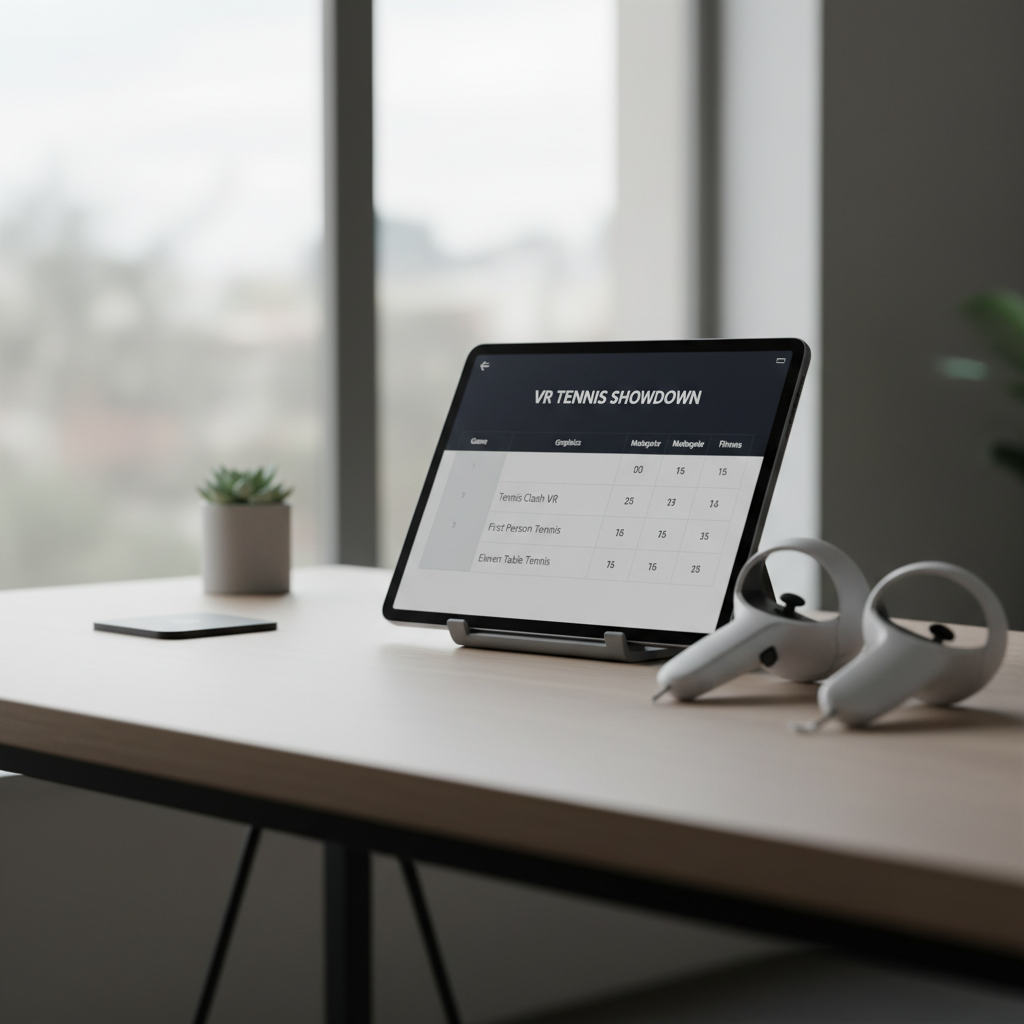
| Game | Best for | Feel | Multiplayer | Comfort notes |
|---|---|---|---|---|
| Eleven Table Tennis (not tennis) | Pure racket physics training | Very high realism (table tennis) | Strong | Great for wrists/forearms, lower shoulder load |
| Tennis Esports | Competitive rallies, esports-style matchmaking | Sim-leaning | Active competitive focus | Can feel demanding on shoulders in long sessions |
| First Person Tennis | Singles practice, drills, improving timing | Training-oriented | Varies by region/time | Good if you like structured practice |
| Racket Club (tennis-adjacent) | Social play, easy-to-learn fun | Arcade-meets-sport | Very social | Often easier on joints than full-court tennis |
| VR Tennis Online (if available on your platform) | Casual matches | Arcade | Smaller communities | Good for quick sessions, less technical |
Key takeaway: if you want “real tennis,” you’re usually balancing realism against accessibility. Many players end up with one “serious” option and one “easy/social” option.
What “best” really means in VR tennis (and why people disagree)
Most frustration comes from buying a tennis title for the wrong reason. These are the factors that change the experience more than marketing blurbs.
- Swing-to-ball timing: the game’s prediction and contact model decides whether your forehand feels crisp or mushy.
- Spin and trajectory: topspin and slice can be simplified, faked, or simulated. Each approach feels different.
- Footwork model: roomscale movement, stick locomotion, auto-positioning, or hybrid systems all change strategy.
- Multiplayer population: a “great” game with empty lobbies becomes a solo drill app, which might be fine, or not.
- Comfort and injury risk: full-power VR serves in a small space can turn into wall punches and sore elbows fast.
According to the American Academy of Orthopaedic Surgeons (AAOS), overuse and improper form are common contributors to upper-extremity injuries, which is relevant here because VR makes it easy to repeat high-speed swings without the usual on-court feedback. If you feel sharp pain, numbness, or swelling, it’s smart to stop and consider talking with a clinician.
Best VR tennis games 2026: my “pick by scenario” recommendations
This is the heart of it, pick the game that matches how you actually play. If you choose by “most realistic” when you mostly want quick matches after work, you’ll bounce off it.
For competitive players who want intense rallies
Tennis Esports is often the first stop if you like ranked play, patterns, and repetition under pressure. It tends to reward compact swings, early prep, and clean contact.
- Turn on any available advanced physics or “sim” options after you’re comfortable.
- Prioritize a consistent play space and lighting to reduce tracking hiccups.
- If your shoulder gets cooked, shorten sessions and reduce serve frequency for a week.
For solo practice and “I want to get better” sessions
First Person Tennis can fit players who want drills, repetition, and a more training-like loop. A lot of people use it like a batting cage, less social, more reps.
- Start with medium ball speed, then increase only when your timing stays stable.
- Use a lighter grip and avoid “snap” wrist motions that feel good in VR but irritate tendons.
For social, low-friction fun (tennis-adjacent)
Racket Club isn’t strict tennis, but it solves a real problem: many people want rallies and hangouts, not a simulation that punishes every late swing. It’s often easier to recommend for mixed-skill friend groups.
- If you’re hosting friends, set expectations upfront, this is more “sport vibe” than Wimbledon.
- Look for comfort settings that reduce abrupt camera motion.
For “pure racket feel” even if it’s not tennis
It sounds like a detour, but Eleven Table Tennis earns a spot in best vr tennis games 2026 conversations because its paddle physics set the bar for believable racket contact. If you care about realism, it’s a useful reference point and a great warm-up title.
Fast self-check: which game fits you in 60 seconds?
Answer these honestly, you’ll save money and time.
- Do you want multiplayer most nights? If yes, prioritize the title with the healthiest lobbies in your region and time zone.
- Do you get motion sensitive? Choose roomscale or comfort-forward options, avoid aggressive stick locomotion early.
- Are you coming from real tennis? You’ll likely prefer sim-leaning physics and stricter timing windows.
- Do you mainly want cardio? Pick the one that keeps you moving without constant stop-start menus.
- Is your play area small? Favor games with safe boundary behavior and fewer full-power overhead swings.
Rule of thumb: if your space is tight or your joints get cranky, a tennis-adjacent racket game can be the “best” choice even if it’s not a tennis sim on paper.
Dial-in settings that make VR tennis feel more “real”
Before you blame the game, check the setup. A lot of “floaty” impressions come from calibration, grip, and tracking conditions.
Calibration and grip
- Recenter often: tiny drift changes contact timing more than you expect.
- Try alternate grip modes if the game offers them, some map the racket face better for your swing path.
- Consider a racket adapter carefully: they can help muscle memory, but they also add leverage, which can stress wrists and elbows for some players.
Tracking and lighting
- Even, steady lighting usually beats dramatic sunlight patches.
- Remove reflective objects near your play area if you notice random controller jumps.
- Clean controller cameras/sensors when applicable, small smudges can matter.
Latency and comfort
- Keep frame rate stable, lower graphics settings if you see stutter.
- Use a shorter session length when you’re new, fatigue makes timing feel worse.
Practical buying advice (so you don’t regret the purchase)
People rarely regret buying a “good” VR tennis game, they regret buying the wrong one for their weekly routine.
- Check your platform first: Meta Quest vs PC VR libraries and performance can change the experience.
- Look for active updates: tennis physics and matchmaking improve over time, older builds can feel rough.
- Read recent reviews, not just overall score: patches can fix or introduce issues.
- Prioritize your must-have: realism, multiplayer, workouts, or social play. Pick one, then compromise.
According to the Federal Trade Commission (FTC), it’s worth understanding digital purchase and refund policies before buying downloadable content, since rules vary by platform and timing. That matters if you’re testing a title for comfort or motion sensitivity.
Safety and form: how to play hard without hurting yourself
VR tennis is still tennis on your joints, just without the court. Many injuries here are boring ones: tendinitis, shoulder irritation, and accidental impacts with walls or fans.
- Warm up for 3–5 minutes with easy swings and shoulder circles, especially before serving.
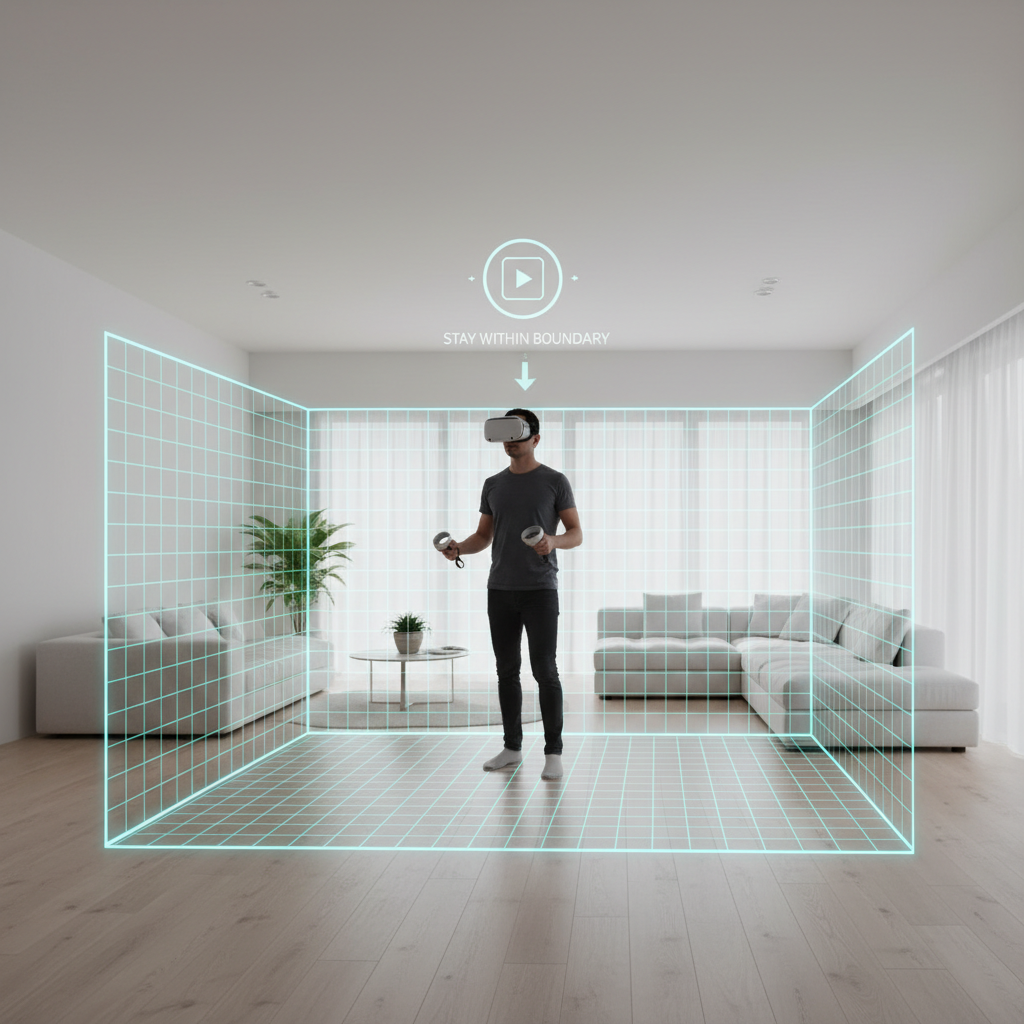
- Use your boundary aggressively, give yourself more space than you think you need.
- Cap “max power” swings: go for timing and placement, not constant full-speed hits.
- Stop on warning signs: sharp pain, tingling, reduced grip strength, dizziness. Consider professional advice if symptoms persist.
Conclusion: picking the best VR tennis game in 2026
The best vr tennis games 2026 list isn’t one perfect winner, it’s a set of smart fits. If you want competitive grind, lean toward tennis sims built around matchmaking and tight timing; if you want fun with friends, tennis-adjacent racket games often deliver more nights of actual play; if you want technique, pick a title that supports drills and repeatable reps.
Two simple actions usually pay off fast: choose the game that matches your real schedule, then spend 15 minutes on calibration, comfort, and boundary setup before judging the physics.
FAQ
What is the most realistic VR tennis game in 2026?
“Most realistic” depends on what you mean by realism, ball physics, footwork, or competitive point construction. Many players find sim-leaning tennis titles feel closest in rallies, while table tennis sims can feel more accurate in raw racket contact.
Are there any VR tennis games that are good for beginners?
Yes, but beginners usually do better with generous timing windows and clear comfort settings. Social, tennis-adjacent racket games can be a softer entry point before you move into stricter sims.
Do I need a racket accessory for VR tennis?
You don’t need one, and plenty of strong players skip them. Accessories can help your swing path feel natural, but they may increase strain for some people, so start with short sessions and see how your wrist and elbow respond.
Why does my swing feel late or “laggy” in VR tennis?
Often it’s a mix of frame rate drops, tracking conditions, and calibration drift rather than pure network lag. Try lowering graphics settings, improving room lighting, and re-centering before matches.
Which headset is best for VR tennis in the US?
It varies by budget and whether you want standalone convenience or PC VR performance. What matters most for tennis is stable tracking, comfortable fit for active play, and consistent frame rate.
Is VR tennis good exercise?
It can be, especially in longer rally sessions, but intensity varies by game and play style. If you’re using it for fitness, pace yourself and consider professional advice if you have prior shoulder, elbow, or balance issues.
How much space do I need to play VR tennis safely?
More than you think, especially for serves and overheads. If your space is limited, choose modes that reduce big swing requirements and set a conservative boundary to avoid impacts.
If you’re trying to narrow down the best vr tennis games 2026 for your exact setup, headset, play space, and whether you want ranked matches or casual rallies, share those details and you can get a tighter shortlist with a settings checklist that matches your situation.