
elden ring best builds 2026 is really about one thing: getting a setup that feels strong without turning every fight into homework.
If you have ever copied a build video, hit the next boss, and still felt underpowered, you are not alone. Most “best build” lists skip the boring part: stat breakpoints, weapon scaling, and what to do when you miss a talisman or spell.
This guide keeps it practical. You will get a few reliable build archetypes, a quick way to self-check what fits your playstyle, and step-by-step priorities so your next respec actually sticks.
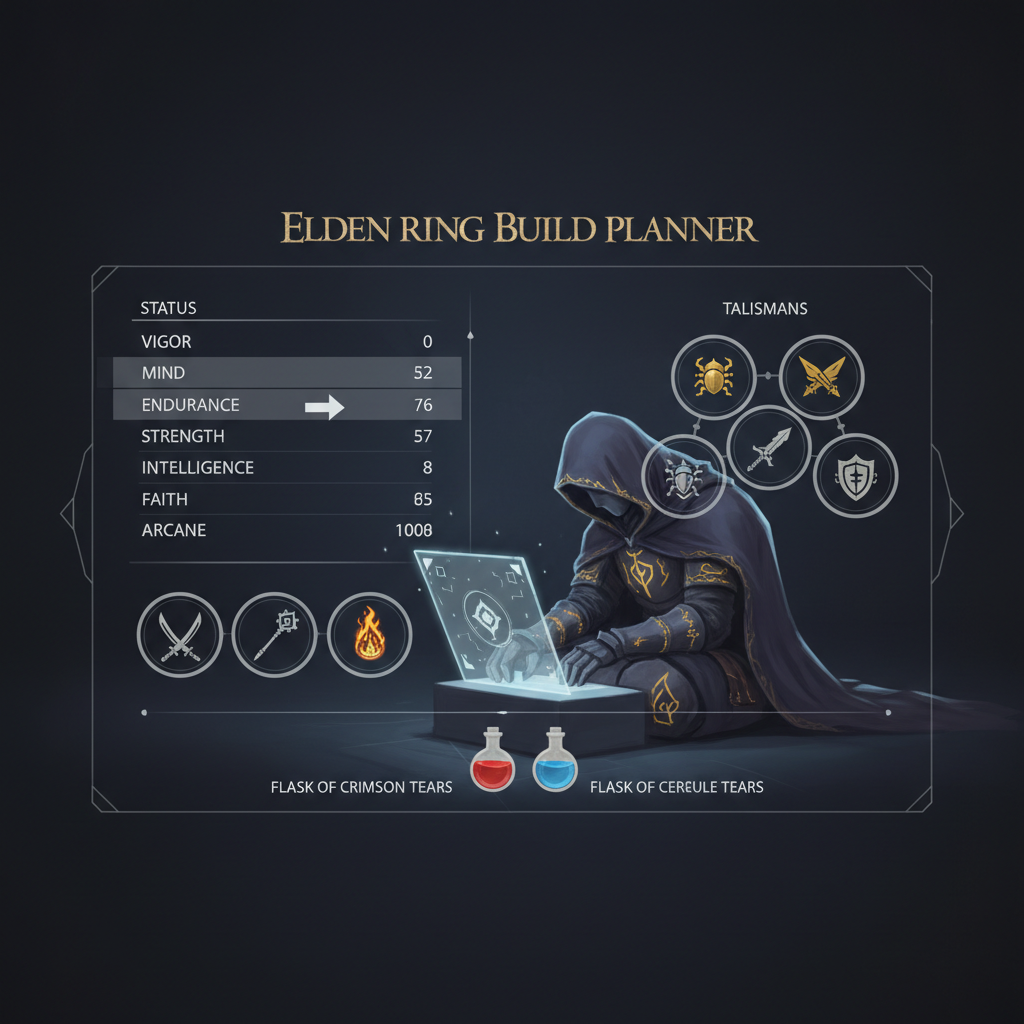
What “best builds” means in 2026 (and what it does not)
In practice, “best” usually means high damage per opening, consistent survivability, and low friction when you swap zones or bosses. The build that tops a speedrun tier list can feel awful in regular PvE, and many PvP setups assume perfect spacing.
Also, patch changes matter. Weapon skills, status buildup, and talisman interactions can shift over time, so treat any “updated” build as a starting point, not a script.
- PvE best: forgiving, strong stagger, stable damage without perfect buffs.
- PvP best: matchup knowledge, roll-catch tools, and stamina discipline.
- Co-op best: uptime, area control, and not dying with aggro.
According to Bandai Namco Entertainment, Elden Ring updates may include balance adjustments and bug fixes, which is the polite way of saying your favorite setup can change overnight.
Quick build picker: find your fit in 60 seconds
Before you chase numbers, decide how you want fights to feel. Most players who struggle with elden ring best builds 2026 pick a build that fights their instincts.
Self-check checklist
- I panic roll and get clipped → prioritize Vigor, medium load, and simple damage loops.
- I love big openings and stance breaks → strength or quality with stagger tools.
- I want safe damage at range → intelligence or faith caster, or a hybrid with a strong sidearm.
- I hate buff routines → pick a weapon-forward build, keep buffs optional.
- I play co-op a lot → add support incantations, survivability, and FP comfort.
If two options fit, choose the one that needs fewer “mandatory” items. Comfort beats theorycraft when you are still progressing.
Best builds 2026 overview (table)
Here is a practical snapshot. The point is not perfect min-max, it is knowing what each build asks from you.
| Build | Best for | Main stats | Core idea | Difficulty |
|---|---|---|---|---|
| Strength Stance Breaker | PvE bosses, new zones | VIG / STR / END | Poise + heavy hits + stance breaks | Low–Medium |
| Dex Bleed Pressure | Fast PvE, some PvP | VIG / DEX / ARC | Quick procs, aggression windows | Medium |
| Intelligence Spellblade | Versatile PvE | VIG / INT / MND | Spells for control, weapon to finish | Medium |
| Faith Fire/Lightning Hybrid | Co-op, flexible damage types | VIG / FAI / MND | Element coverage + utility | Medium |
| Quality “All-Rounder” | Players who swap weapons often | VIG / STR / DEX | Solid scaling across many arms | Low |
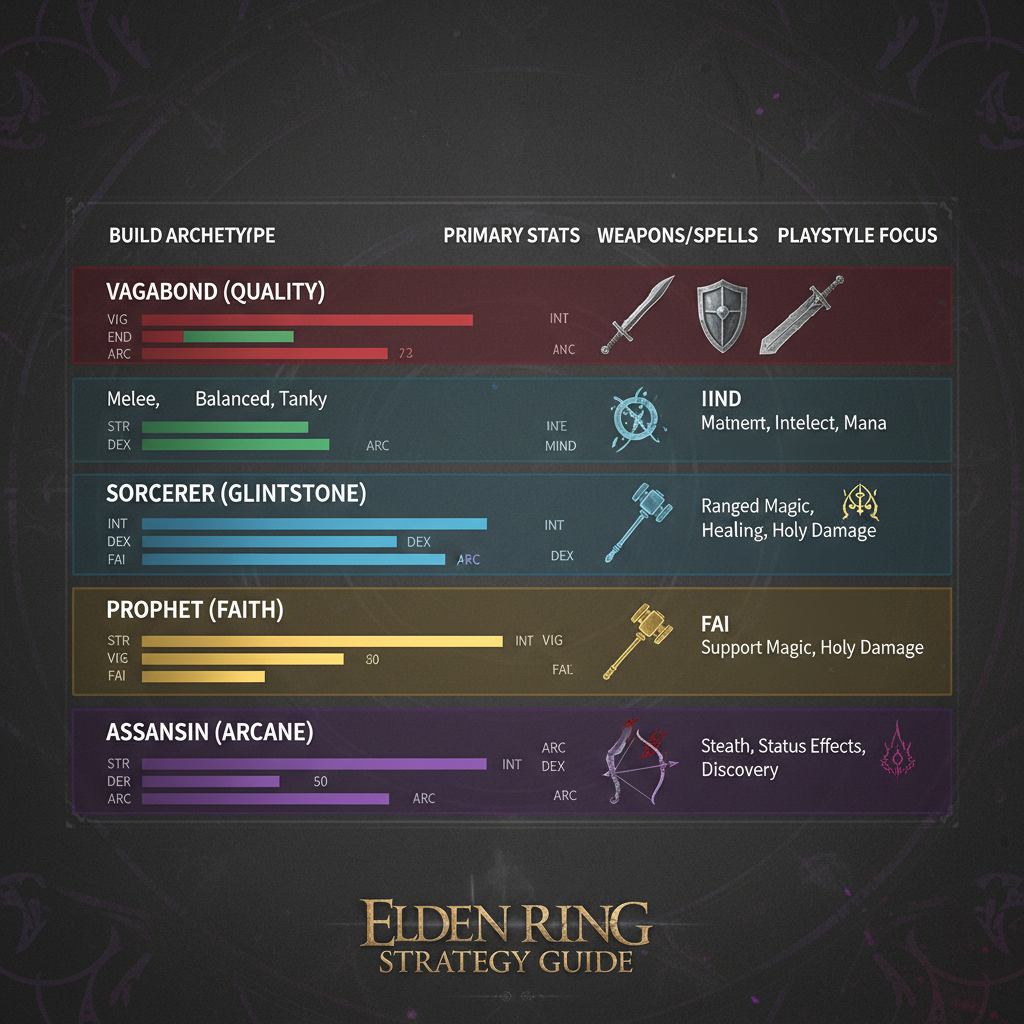
Build 1: Strength stance breaker (simple, boss-proof)
This is the “I want the game to calm down” build. You hit hard, trade safely, and get frequent stance breaks that create free critical hits.
Stat priorities (typical)
- Vigor: your first comfort lever; many deaths are just low HP.
- Strength: main scaling for heavy weapons and strong hitstun.
- Endurance: equip load, stamina, and the ability to wear armor that keeps you from getting bullied.
Gear approach
- Pick one heavy weapon class you enjoy, then commit. Consistency matters more than chasing a “top 1.”
- Use an Ash of War that creates reliable openings, not just flashy damage.
- Talismans: look for survivability and stamina comfort first, then damage.
Common mistake: going all-in on Strength while ignoring Endurance, then fat-rolling or running out of stamina mid-combo.
Build 2: Dex + bleed pressure (fast damage, punishes mistakes)
If you like staying close, tagging quick hits, and watching bosses melt when the status pops, this is the classic answer. In many patches, bleed remains strong because it rewards uptime, not single big swings.
Stat priorities (typical)
- Dexterity: raw weapon damage and speed-friendly options.
- Arcane: often tied to status buildup scaling on the right infusions or weapons.
- Vigor: still non-negotiable if you plan to play aggressively.
Play pattern
- Stay in “one more hit” range, but do not tunnel. Bleed setups collapse if you eat full combos.
- Bring a backup plan for enemies with high bleed resistance, usually a different damage type or a non-bleed infusion.
For elden ring best builds 2026, this archetype stays popular, but it is also the one players over-force into bad matchups.
Build 3: Intelligence spellblade (control first, damage second)
Pure mage can work, but spellblade tends to feel smoother in real progression: you manage space with spells, then finish with a weapon when FP runs thin or the boss rushes you.
What makes it work
- Spacing tools: projectiles or quick casts that punish approaches.
- A real melee button: a weapon that scales with your INT plan so you are not helpless up close.
- Mind management: enough FP to play your game, not enough to neglect Vigor.
According to FromSoftware’s official patch notes (when they are published), balance tweaks sometimes target spell tracking, damage, or FP cost, so keep one alternate spell loadout ready.

Build 4: Faith hybrid (element coverage + co-op value)
Faith builds get labeled “support,” but the real win is flexibility: you can swap damage elements and carry utility that saves attempts. In co-op, it often feels even better because you can stabilize messy fights.
Practical priorities
- Pick 1–2 damage elements you enjoy, then build around those spells and a matching weapon option.
- Keep buffs optional. A short pre-fight routine can help, but if it becomes a chore, you will skip it and wonder why damage feels low.
- Slot one “oh no” button: a heal or defensive tool that buys time when mistakes happen.
This is one of the safer answers to elden ring best builds 2026 if you like adapting rather than perfecting one loop.
Respec and upgrade plan: the part most guides skip
You can make almost any build feel “best” if you stop spreading resources thin. The fastest improvements usually come from upgrades and a clean stat plan, not from hunting one legendary drop.
Do this in order
- Upgrade your main weapon as far as your current area comfortably allows, then test damage again.
- Set a Vigor floor that matches your comfort; if you keep dying in two hits, more damage will not fix it.
- Choose one primary scaling stat until the build feels stable, then add the secondary stat for hybrid value.
- Keep load in check so your roll and stamina behavior match your intention.
Key takeaways (save this)
- If fights feel unfair, raise survivability first, then optimize damage.
- If damage feels random, check scaling and infusion, not just your level.
- If your build needs five buffs to feel good, it is probably not your build.
Common pitfalls (and how to avoid wasting hours)
- Copying a level 150 build at level 60: you will miss key stats and talisman slots, so it feels weak. Adapt to your current level.
- Ignoring resistances: some bosses punish one damage type hard. Keep a second option ready.
- Chasing “S scaling” blindly: real damage depends on moveset, upgrades, and how often you land hits.
- Overcommitting to glass cannon: it looks good in clips, but most players lose more time to retries than they gain from higher numbers.
When you should look up a specialist guide (or ask for help)
If you are stuck after cleaning up upgrades and stats, it may be a matchup issue rather than a build issue. That is when a focused boss guide or PvP matchup breakdown makes sense.
- You die to the same move even when you block or roll, which can mean timing or positioning problems.
- Your status build never procs on a specific boss, which often points to resistance and the need for a different plan.
- You feel FP-starved or stamina-starved constantly, which usually means the build needs rebalancing, not more levels.
For real-world time savings, sharing your stats, weapon upgrade level, and talismans with a community can get you better answers than generic “use X sword” advice.
Conclusion: a “best build” is the one you can repeat under pressure
The strongest setups in 2026 tend to look boring on paper: a clear stat plan, a weapon you land consistently, and a fallback option for bad matchups. If you want one immediate action, pick an archetype above, respec with a Vigor-first mindset, and push upgrades before you farm rare pieces.
If you are deciding between two options, choose the build that asks less of your execution. You will win more fights, and you will actually enjoy the wins.
FAQ
What is the easiest option from these elden ring best builds 2026 for PvE?
Most players find the Strength stance breaker easiest because it rewards patience and gives frequent stance breaks. It also tolerates imperfect dodges better than many fast pressure builds.
Do I need to follow a level 150 template for an “updated” build to work?
No. Many templates assume late-game stats and gear. A cleaner approach is to copy the play pattern and scale it to your level, then fill in missing pieces as you progress.
Why does my bleed build feel weak against certain bosses?
Some enemies resist bleed heavily or give fewer safe openings, so your procs arrive too late. Having a second infusion or a different damage type usually fixes the “I’m hitting forever” feeling.
Is Intelligence better than Faith in 2026?
It depends on what you value. Intelligence often leans into control and ranged punishment, while Faith frequently offers broader utility and element coverage. Your comfort with casting windows matters more than tier talk.
How much Vigor is “enough” for most builds?
Enough is when you stop dying to small mistakes and can learn a boss without constant restarts. If you feel forced into perfect play every attempt, Vigor is probably too low for your current area.
Should I build around one weapon skill or a flexible kit?
If you are still progressing, flexible kits tend to be more forgiving because you can adjust to resistances and spacing. Weapon-skill-focused builds shine when you already know fights and can force your setups.
What is the fastest way to tell if my damage problem is stats or upgrades?
Check your weapon upgrade level first. In many cases, upgrades swing damage more than a few stat points, especially early and mid game.
Light next step (if you want it simpler)
If you are trying to settle on a build but keep bouncing between options, a practical approach is to share your current level, stats, weapon upgrade level, and what bosses you are stuck on, then ask for a targeted respec plan. You will usually get clearer, less gimmicky guidance than chasing whatever is trending that week.