
Best games with tactical turn based combat tend to scratch a very specific itch: you want decisions that matter, battles you can read like a puzzle, and the satisfaction of winning because you planned well, not because you memorized a combo.
The annoying part is that “turn-based” gets used for everything from JRPG menus to grid-heavy war sims, so recommendations often miss what you actually mean by “tactical.” This guide narrows the field to games where positioning, action economy, terrain, and team roles drive the fun.
I’ll also flag what each game does well, who it fits, and what to watch out for before you buy. If you only read one section, skim the table, then jump to the “how to choose” checklist.
What “tactical turn-based combat” really means (and what it doesn’t)
People usually mean a few concrete things when they search for best games with tactical turn based combat, even if they don’t phrase it that way.
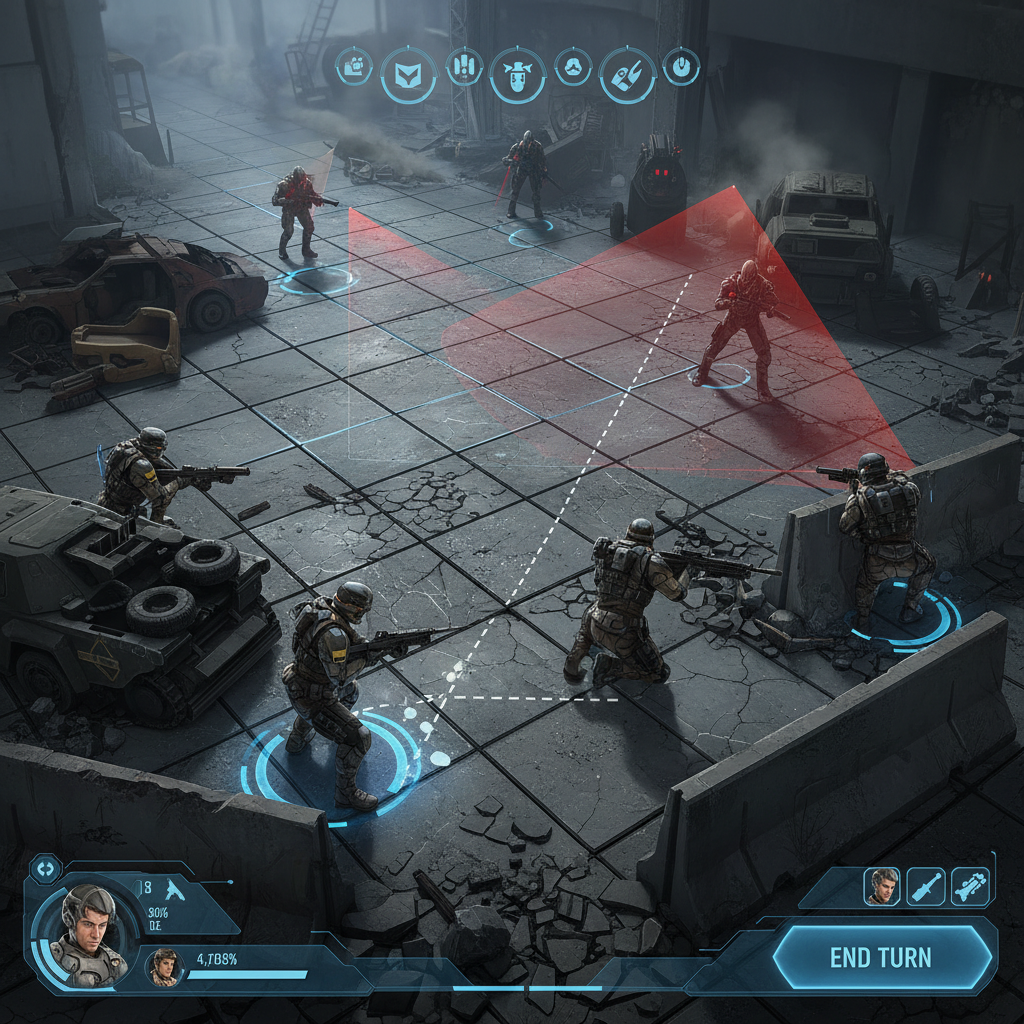
- Positioning matters: flanking, cover, elevation, line-of-sight, zones of control.
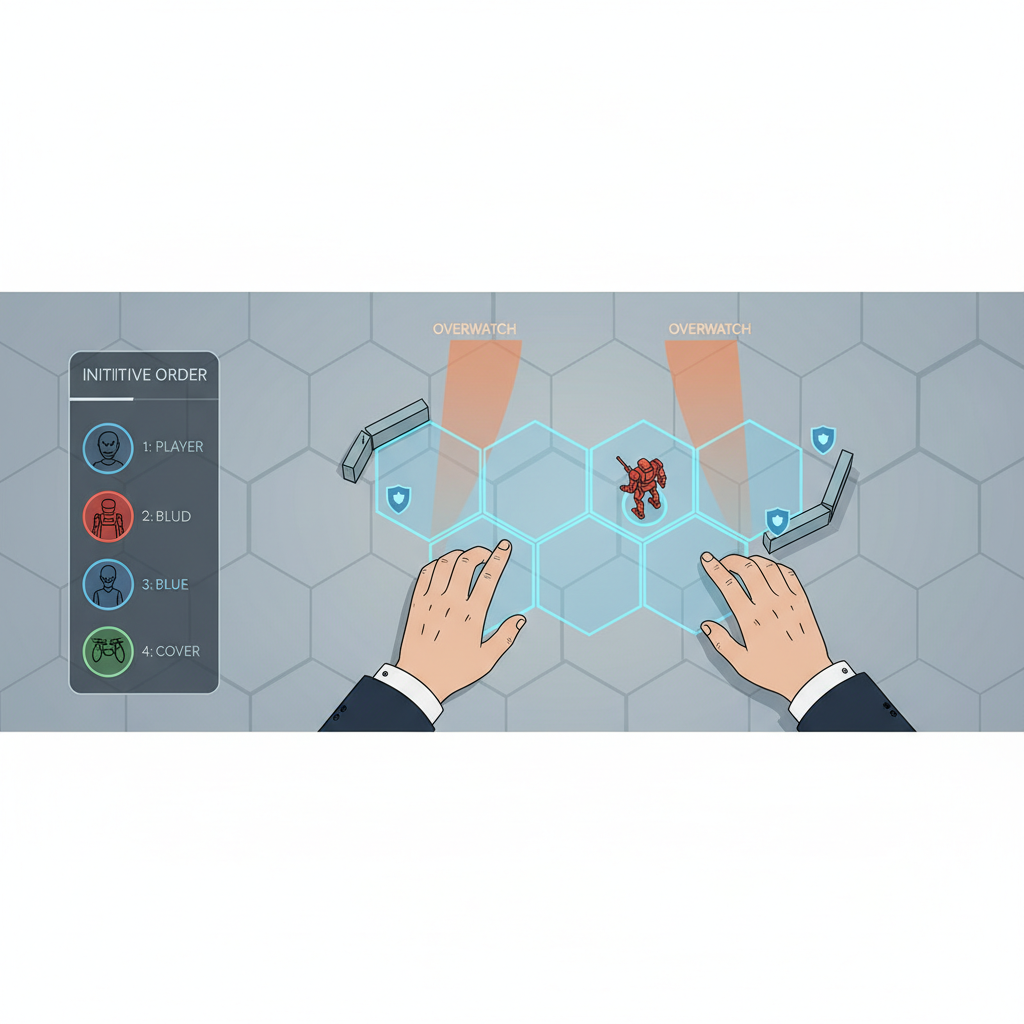
- Action economy: limited actions per unit, cooldowns, overwatch, initiative, turn order manipulation.
- Build choices show up in battle: squads, classes, gear, synergies, not just bigger numbers.
- Consequences: resource drain, injuries, permadeath, campaign pressure, or at least meaningful tradeoffs.
What it usually does not mean: “any RPG that happens to be turn-based.” Great games like that exist, but if combat works mostly from a static menu and movement is optional, it’s a different vibe.
Quick comparison table: top picks by vibe
This table is intentionally opinionated. It’s not a ranking for everyone, it’s a fast way to match your taste to a few reliable starting points.
| Game | Best for | Combat feel | Difficulty vibe | Platforms (common) |
|---|---|---|---|---|
| XCOM 2 | High-stakes squad tactics | Cover + overwatch + abilities | Punishing but fair | PC, PlayStation, Xbox, Switch |
| Divinity: Original Sin 2 | Systems + elemental combos | AP-based, sandbox encounters | Spiky; rewards creativity | PC, PlayStation, Xbox, Switch |
| Gears Tactics | Fast, aggressive tactics | No “miss” frustration (often) | Readable, momentum-driven | PC, Xbox |
| Fire Emblem: Three Houses | Character-driven strategy | Grid, weapon matchups, growth | Flexible difficulty options | Switch |
| Into the Breach | Pure tactical puzzles | Perfect-information turns | Hard, very learnable | PC, Switch (and others) |
| Battle Brothers | Gritty mercenary campaign | Low-fantasy, formation play | Unforgiving, long-term | PC, PlayStation, Xbox, Switch |
| Wasteland 3 | CRPG tactics + choices | Cover, cones, party roles | Moderate; build matters | PC, PlayStation, Xbox |
Key takeaway: if you want “I planned this turn,” start with XCOM 2 or Into the Breach. If you want “I broke the encounter with a clever combo,” look at Divinity: Original Sin 2.
Standout games, with honest “why you’ll like it” notes
Here are reliable recommendations that fit most people’s definition of best games with tactical turn based combat, plus the small caveats that often get skipped in hypey lists.
XCOM 2 (and War of the Chosen)
If you like tense risk management, XCOM 2 still sets the tone. The core loop is clean: move, take cover, set overwatch, manage cooldowns, accept that sometimes a plan fails and you adapt.
- You’ll like it if: you enjoy squad building and “one bad turn changes everything.”
- Watch out if: you hate percentage-to-hit drama; it’s part of the identity.
Divinity: Original Sin 2
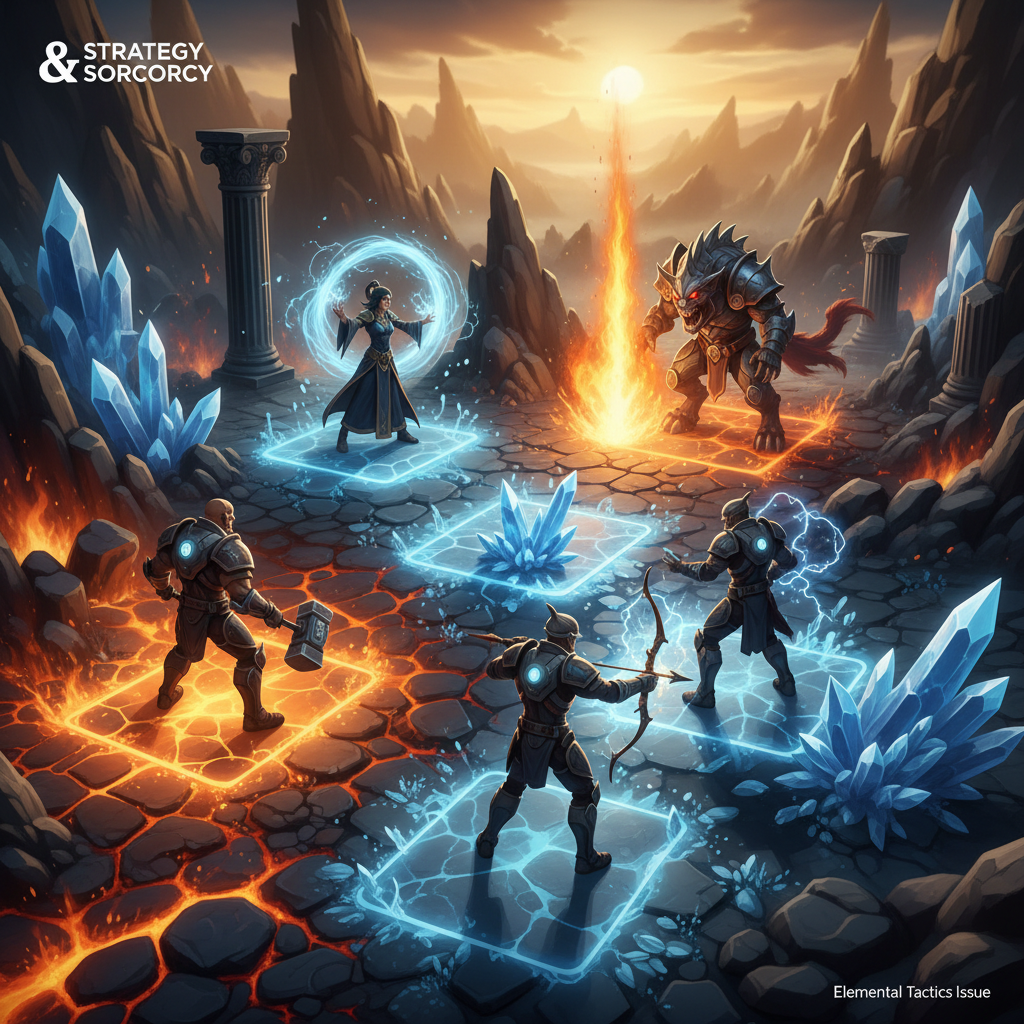
This is tactical, but in a “chemistry set” way. Surfaces, elements, and crowd control often matter more than raw damage, and clever positioning can trivialize a scary fight.
- You’ll like it if: you want freedom to experiment, including unusual party builds.
- Watch out if: you prefer tightly balanced encounters; the sandbox can be swingy.
Into the Breach
Minimalist presentation, maximum tactics. It’s almost pure information: you see enemy intent, then you solve the turn. It feels closer to chess puzzles than to an RPG grind.
- You’ll like it if: you want fast runs and clean rules.
- Watch out if: you need story momentum; it’s light on narrative.
Fire Emblem: Three Houses
It’s not just “anime chess.” The appeal is long-term planning: units grow into roles, weapons and positioning matter, and difficulty settings let you choose how stressful the campaign becomes.
- You’ll like it if: you care about characters and team growth.
- Watch out if: you want nonstop combat; there’s substantial downtime between battles.
Wasteland 3
For players who want tactical fights but also want quests, choices, and consequences, Wasteland 3 lands well. Cover, ranges, and party composition matter, and encounters often reward careful opening turns.
- You’ll like it if: you want a CRPG that doesn’t treat combat as an afterthought.
- Watch out if: you dislike inventory and build management; it’s part of the package.
How to choose the right game for you (a quick self-check)
Before you buy, answer these quickly. This prevents the classic mistake: buying a “tactical” game that’s actually more about loot, story, or vibes.
- Do you want perfect information? If yes, Into the Breach often fits better than XCOM-style hit chances.
- Do you enjoy campaign pressure? If yes, XCOM 2 or Battle Brothers tends to feel more meaningful.
- Do you want buildcraft or battlefield purity? Buildcraft points toward Divinity, Wasteland, Fire Emblem.
- Do you prefer short sessions? Roguelite runs and compact missions beat 80-hour epics.
- How much failure can you tolerate? Some games expect losses as part of learning.
Practical rule: if you’re unsure, pick the game where the core combat loop looks fun even without story context.
Practical tips to get good faster (without turning it into homework)
Most people bounce off tactical turn-based games for the same reason: early fights feel slow, then suddenly you’re punished. A few habits fix that.
- Spend your first turns buying information: scouting, high ground, revealing fog, forcing enemy movement.
- Value disables over damage: stuns, freezes, roots, armor breaks, turn denial often win fights.
- Stop taking “fair trades”: you want lopsided turns where you act 6 times and the enemy acts 2.
- Use terrain like a resource: doors, corners, ladders, choke points, destructible cover.
- Plan one turn ahead, not five: long plans break, short plans adapt.
According to PC Gamer, XCOM 2 remains one of the defining modern tactics experiences, largely because it forces you to make imperfect decisions under pressure rather than solve fights with one “correct” move.
Common mistakes when shopping for tactical turn-based games
A lot of disappointment comes from mismatched expectations, not “bad games.” Keep an eye on these.
- Confusing turn-based with tactical: if movement and positioning barely matter, it may not satisfy the tactics itch.
- Ignoring campaign structure: some games feel amazing in combat but demand heavy meta-management between missions.
- Underestimating difficulty spikes: tactics games often punish sloppy habits around mid-game.
- Buying for mods first: mods can be great, but the base game should already be your kind of fun.
Conclusion: a simple path to your next great tactics fix
If your goal is the “classic” modern formula, start with XCOM 2. If you want puzzle-like clarity, Into the Breach stays hard but fair. If you want a longer RPG campaign where tactics and roleplay coexist, Wasteland 3 or Divinity: Original Sin 2 tends to land better.
Pick one game that matches your tolerance for randomness and your preferred session length, then commit long enough to learn its core rhythm. That’s when the genre clicks and why best games with tactical turn based combat can feel so rewarding once you find your match.