
Top games with magical forest environments are worth hunting down when you want a setting that does more than look pretty, a forest that feels alive, guides exploration, and changes how the game plays.
A lot of “enchanted woods” end up as the same green corridor with glowing mushrooms, then you bounce off after an hour. The good ones create mood, navigation puzzles, light-and-shadow storytelling, and that quiet sense that something ancient is watching.
This guide narrows the field with specific, playable reasons each pick works, plus a quick table, a self-check to match your taste, and practical tips for getting the most out of these worlds.
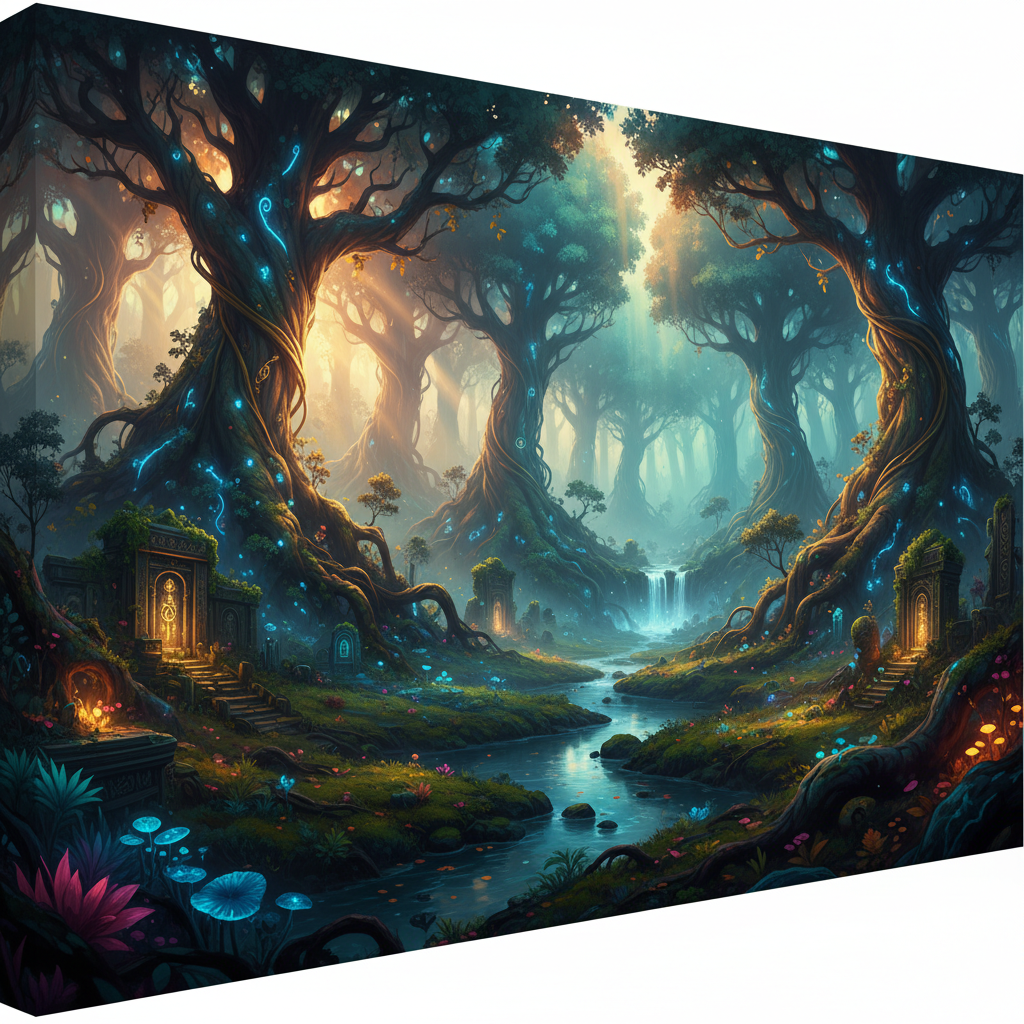
Quick picks: magical forest games at a glance
If you just want a fast shortlist, this table helps you pick by “forest vibe” and what you actually do moment to moment, not just the box art.
| Game | Forest vibe | What you’ll do most | Best for | Platforms |
|---|---|---|---|---|
| Ori and the Blind Forest / Will of the Wisps | Glowing, emotional, fairy-tale | Platforming, traversal, light combat | Movement lovers, art-first players | PC, Xbox, Switch (and more) |
| Hollow Knight | Moody, fungal, eerie “grown-over” | Exploration, boss fights, map mastery | Challenge seekers | PC, PlayStation, Xbox, Switch |
| The Legend of Zelda: Breath of the Wild / Tears of the Kingdom | Natural wonder with mythic pockets | Open-world exploration, problem solving | Sandbox explorers | Switch |
| Genshin Impact (Sumeru forest regions) | Lush, dreamlike, music-and-color | Questing, combat, collecting | Live-service adventurers | PC, mobile, PlayStation (platform support varies) |
| Kena: Bridge of Spirits | Spiritual, mossy, “Pixar-adjacent” | Action-adventure, light puzzles | Story + gentle fantasy | PC, PlayStation (and more) |
| Final Fantasy XIV (forest zones like the Black Shroud) | Classic fantasy forest society | MMO questing, dungeons, social play | Group play and long-term worlds | PC, PlayStation, Xbox (availability may vary) |
What makes a “magical forest” environment actually work
Not every pretty forest lands. In many cases, the difference is whether the environment supports gameplay and emotion, rather than serving as wallpaper.
- Readable fantasy lighting: glow that helps you navigate, spot paths, or understand danger, not just neon clutter.
- Environmental storytelling: ruins, carved trees, shrines, and creature behavior that imply history without long cutscenes.
- Traversal that feels forest-like: verticality, branches, roots, fog banks, hidden hollows, and “I wonder what’s over there” loops.
- Sound that sells the spell: insects, wind, distant chimes, muffled footfalls, and music that respects silence.
- Contrast: a magical grove hits harder when you’ve earned it through darkness, storm, or decay.
According to Entertainment Software Association (ESA), players often cite immersion and story as key reasons they play games, and forests are one of those settings where immersion either clicks immediately or it doesn’t.
Top games with magical forest environments (and why each stands out)
Top games with magical forest environments cover very different moods, cozy wonder, unsettling mystery, heroic myth. Pick based on the feeling you want, then let the gameplay be the tiebreaker.
Ori and the Blind Forest / Ori and the Will of the Wisps
If your ideal enchanted woods look hand-painted and feel emotionally charged, Ori sits near the top. The forests glow, but the glow also teaches movement, where to jump, when to flee, when to breathe.
- Why the forest works: light becomes language, it points, warns, comforts.
- What to expect: precision platforming with bursts of flow-state speed.
Hollow Knight
It’s not a “sparkly” forest, but it’s absolutely magical in the older, stranger sense. Areas like Greenpath feel humid and alive, and the beauty never fully cancels the threat.
- Why the forest works: mood and mystery, you read the world by sound and silhouette.
- What to expect: tough fights, intentional getting-lost moments, then satisfying mastery.
The Legend of Zelda: Breath of the Wild / Tears of the Kingdom
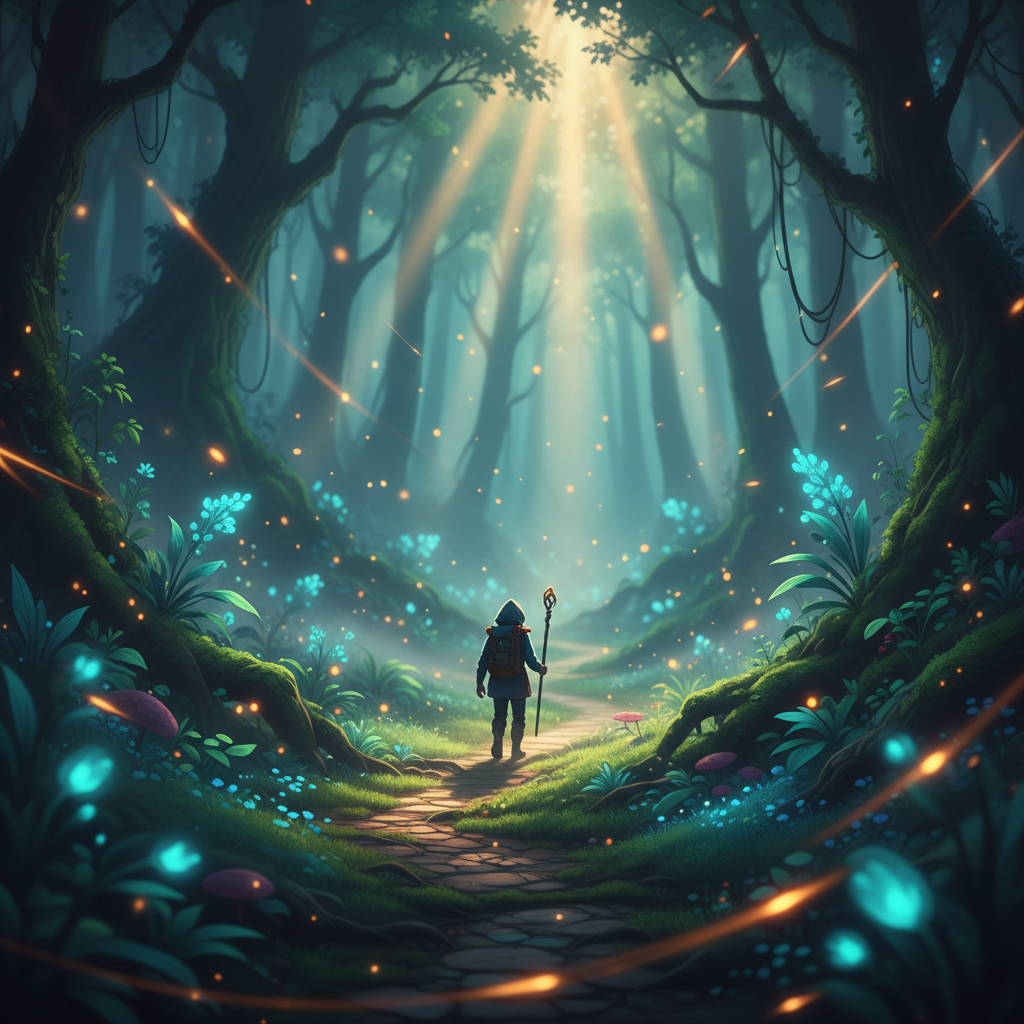
These aren’t forest-only games, but their best forest spaces feel like myth you can touch. The woods hide systems: weather, visibility, time of day, creature routines, and your own curiosity.
- Why the forest works: it’s interactive, fire, wind, stealth, and discovery collide.
- What to expect: open-ended objectives and “try it and see” solutions.
Genshin Impact (Sumeru forest regions)
If you want lush color, layered music, and a sense of “everything is a puzzle if you look closely,” the Sumeru forests deliver. It’s also a live-service game, so pacing and progression can feel different than a single-player adventure.
- Why the forest works: dense vertical routes and playful environmental mechanics.
- What to expect: quest chains, collectibles, and combat built around team synergy.
Kena: Bridge of Spirits
Kena’s forests lean spiritual rather than epic. You’re often cleaning corruption, guiding lost spirits, and moving through spaces that feel curated and intimate, like a trail someone maintains on purpose.
- Why the forest works: the environment changes as you restore it, so the magic has a cause.
- What to expect: approachable action, light puzzles, story-driven momentum.
Final Fantasy XIV (forest zones like the Black Shroud)
For players who want a forest that’s also a lived-in society, FFXIV offers that MMO feeling of a place with routines, factions, and long-term attachment. The “magic” here is community plus worldbuilding, not just lighting effects.
- Why the forest works: consistent lore and repeated return visits make it familiar.
- What to expect: quest hubs, dungeons, and social play depending on your goals.
Self-check: which enchanted forest vibe are you actually chasing?
Before you buy or download anything, it helps to be honest about what you want tonight. Many “top lists” ignore this, then you end up with the wrong kind of forest.
- I want cozy wonder, not stress: lean toward Ori (for beauty) or Kena (for gentler pacing).
- I want unsettling mystery and challenge: Hollow Knight usually fits, and it rewards patience.
- I want freedom to wander and improvise: Zelda tends to be the safest bet.
- I want a long-running world with new content: Genshin Impact or FFXIV, depending on whether you prefer solo-first or group-first.
- I care most about traversal feel: Ori is hard to beat, it’s basically forest parkour.
Practical tips to get more “magic” out of these forests
Top games with magical forest environments often hide their best moments behind small settings choices and play habits. This is the part people skip, then wonder why the world feels flat.
- Play with headphones (when possible): forests rely on subtle audio cues, especially in Hollow Knight and Ori.
- Turn down UI clutter: if the game allows it, a cleaner screen makes lighting and landmarks matter again.
- Take notes on landmarks: sounds old-school, but for maze-like woods it reduces frustration without “spoiling” exploration.
- Use photo mode deliberately: in games that support it, it trains your eye to read light, depth, and hidden paths.
- Set a small goal per session: one shrine, one boss, one quest line, forests feel better when you stop before fatigue.
Common pitfalls when choosing magical forest games
Some disappointments are predictable. If you know the traps, you save money and avoid the “why isn’t this clicking?” spiral.
- Confusing art style with comfort: a cute palette can still hide punishing combat or grindy progression.
- Ignoring genre friction: Metroidvania backtracking feels amazing to some players and exhausting to others.
- Assuming “open world” means constant wonder: even great sandboxes have quiet stretches, you bring part of the curiosity.
- Overcommitting to live-service without guardrails: if you dislike dailies, set boundaries early or pick a standalone title.
When it’s worth looking for extra help or accessibility options
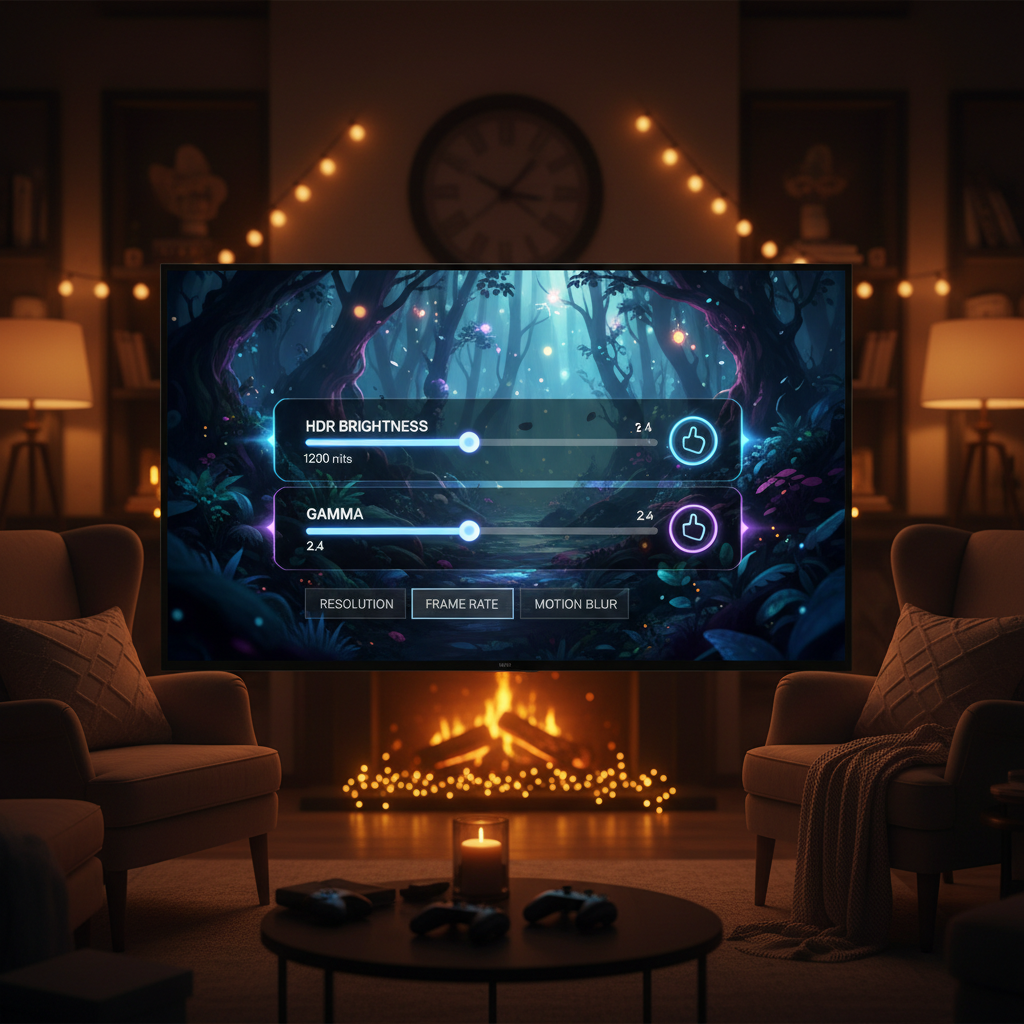
If motion sickness, light sensitivity, or anxiety spikes show up in dense, high-contrast forest scenes, it’s usually not a willpower issue. Many games offer camera, blur, or brightness settings that can help, and platform-level accessibility tools can also reduce strain.
If symptoms persist or feel intense, consider pausing and talking with a qualified healthcare professional. Advice online can be helpful, but it can’t replace medical guidance for your specific situation.
Conclusion: pick the forest that matches your mood, then let the mechanics prove it
Top games with magical forest environments aren’t all chasing the same kind of magic, some want you to feel wonder, some want you to feel hunted, some want you to feel at home in a world that keeps growing. If you choose based on vibe and play loop, you’re far more likely to stick with it.
- Action step: pick one game from the table, then confirm it with the self-check before you commit.
- Action step: spend five minutes tuning audio and UI, the forest atmosphere often depends on it.
FAQ
What are the top games with magical forest environments if I want relaxing exploration?
Many players find Ori’s world soothing despite occasional intensity, while Kena tends to feel calmer moment to moment. If you want ultra-low pressure, prioritize games that don’t punish exploration with heavy loss mechanics.
Which magical forest games have the best atmosphere and sound design?
Ori and Hollow Knight get mentioned often because audio and silence do real work, footsteps, distant creatures, and subtle musical cues guide emotion. Headphones can change the experience more than you’d expect.
Are there open-world options with enchanted forests, not just linear levels?
Yes, Zelda offers broad exploration with forest regions that interact with weather and systems, while Genshin provides large, quest-heavy zones. The tradeoff is pacing, open worlds sometimes include downtime between “wow” moments.
Do live-service games count as good magical forest experiences?
They can, especially if you enjoy returning to a world over months. The main question is whether you like rotating events and progression loops, if not, a single-player title might feel more “pure.”
What should I play if I love magical forests but hate hard combat?
Look for difficulty options, accessibility assists, or games where combat is not the main gate. Kena can be manageable for many, and in some titles you can focus on exploration or story modes when available.
Which pick is best for someone new to platformers?
Ori can be welcoming because movement feels intuitive, but it still asks for timing. If you bounce off, try shorter sessions and treat difficult sequences as learning loops rather than progress checks.
How do I avoid buying a “pretty forest” game that feels empty?
Check whether the environment changes your decisions, stealth routes, traversal tools, resource management, or puzzles. If the forest is only a backdrop, reviews often hint at it with phrases like “great visuals, repetitive gameplay.”
If you’re trying to build a short backlog around magical biomes, it often helps to share what you like, cozy wandering, tricky platforming, or boss-focused challenge, then match that to one or two picks instead of chasing every “top list.”