
The future of vr gaming 2026 will likely feel less like a tech demo and more like a normal way to play, with clearer visuals, steadier performance, and fewer friction points that make people quit after week one.
If you’ve ever loved VR for an hour and then avoided it for a month, you’re not alone, the blockers are usually practical: comfort, setup time, motion comfort, and not knowing which platform will still matter next year. That’s why “2026” is an interesting marker, it’s far enough out for real hardware cycles, but close enough that today’s buying and habits still affect you.
This guide breaks down what’s most likely to change by 2026, what might stay annoyingly the same, and how to make decisions now without overpaying for promises. I’ll also call out where expectations often run ahead of reality, because VR marketing can be… enthusiastic.
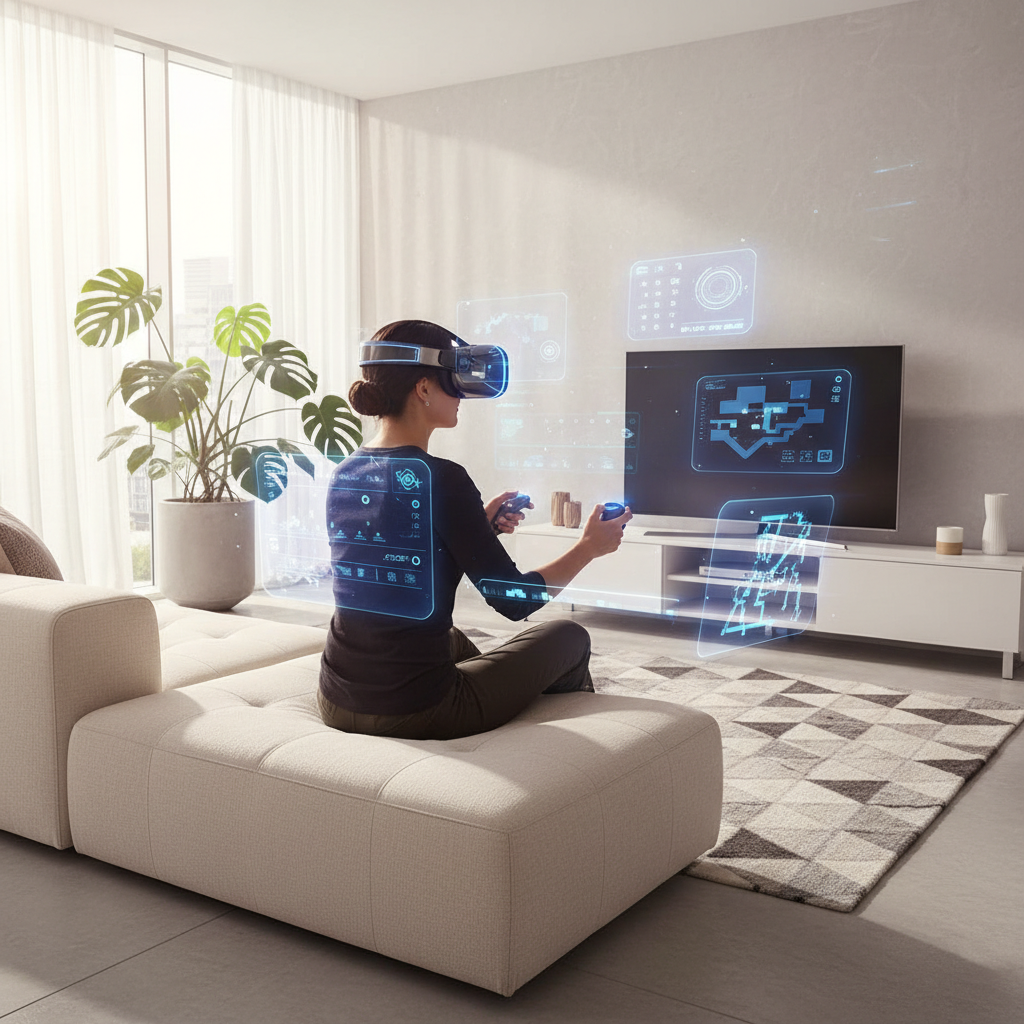
What players actually mean by “the future of VR gaming”
Most searches about the future of vr gaming 2026 aren’t really about sci-fi, they’re about whether VR becomes easier to live with. In practice, gamers usually want four things: better games, lighter headsets, fewer cables and updates, and a comfort baseline that doesn’t require “VR legs.”
It helps to split “future” into three lanes, because they move at different speeds:
- Hardware: optics, displays, tracking, battery, thermals, passthrough cameras.
- Software: engines, foveated rendering, reprojection, hand tracking, MR features.
- Content & ecosystems: exclusives, modding, cross-play, creator tools, storefront policies.
By 2026, hardware and software can improve noticeably, content can too, but content depends on budgets and install base, which is slower and messier than spec sheets.
Where VR hardware is heading by 2026 (and what that changes)
Expect steady iteration rather than one magic leap. The biggest “felt” improvements tend to come from comfort, clarity, and reliability, not raw compute alone.
Likely upgrades you’ll notice
- Better lenses and edge-to-edge clarity: more of the image stays sharp, less “sweet spot hunting.”
- More capable passthrough: mixed reality becomes more usable for quick sessions and room-aware gameplay.
- Smarter tracking: fewer controller dropouts, better hand tracking in typical indoor lighting.
- Weight distribution improvements: not just lighter, but less front-heavy, which matters more than people think.
According to NVIDIA developer guidance on VR, techniques like foveated rendering and latency reduction are key to comfort and realism, and that theme will keep driving design choices into 2026.
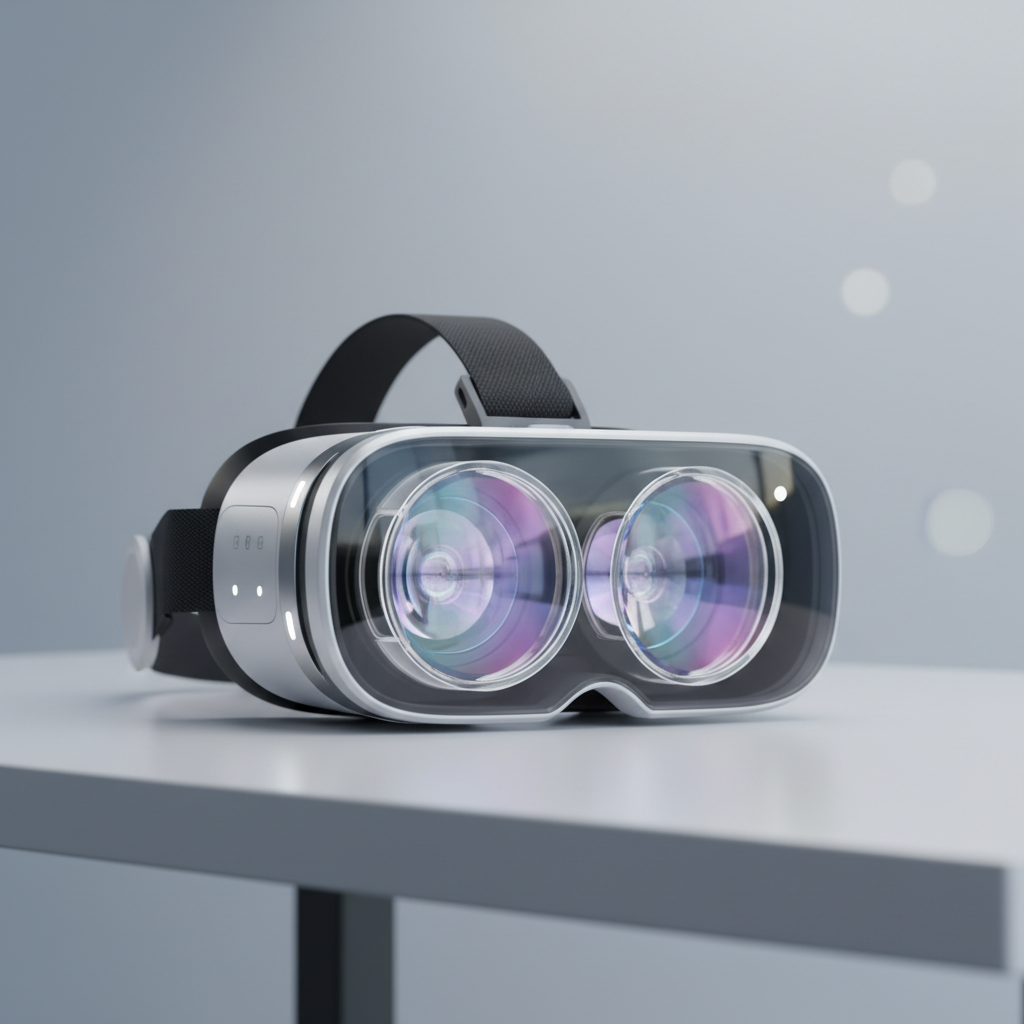
What probably won’t be “solved” by 2026
Some issues are physics and human biology, so progress is incremental:
- Battery limits: wireless freedom improves, but long sessions still push weight and heat.
- Face comfort for everyone: fit varies a lot, accessories will still matter.
- Motion sensitivity: many people adapt, some don’t, comfort options remain important.
If you’re sensitive to motion sickness or eye strain, it’s reasonable to assume 2026 devices help, but not guarantee comfort for every user, consider gradual acclimation and ask a healthcare professional if symptoms are persistent or severe.
Games in 2026: what’s likely to improve (and what’s just hype)
The future of vr gaming 2026 depends on software libraries catching up to hardware. You’ll probably see more “VR-first” polish in interfaces, comfort settings, and onboarding, because studios have learned where players bounce.
Trends that feel plausible
- Hybrid flatscreen + VR titles: more games ship with optional VR modes, especially for cockpit, driving, survival, and co-op.
- Mixed reality gameplay loops: room mapping becomes a real mechanic, not just a novelty.
- More social co-op that respects privacy: better boundary tools, safer interactions, clearer moderation controls.
- Higher “time-to-fun”: fewer 20-minute setups, more instant play sessions.
Hype signals to treat carefully
- “AAA will flood VR” claims, budgets follow proven revenue, so this varies by platform and year.
- “Full-body tracking for everyone” promises, it can get cheaper, but friction and calibration still matter.
- “Metaverse as the default” messaging, social VR can grow without becoming everyone’s main hangout.
According to Unity and Epic Games documentation and talks, performance budgets and comfort constraints shape VR design more than most genres expect, so not every popular flatscreen formula translates cleanly.
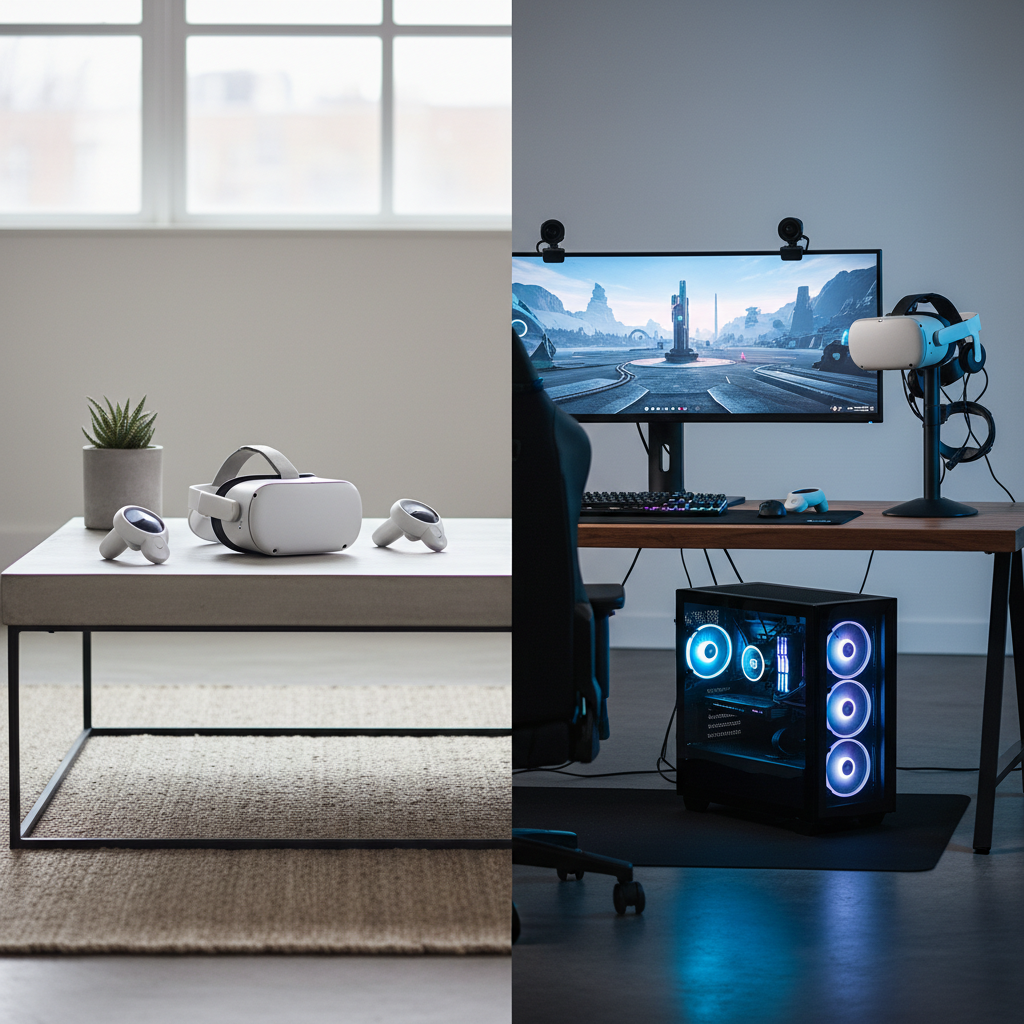
PC VR vs standalone vs console: what to expect by 2026
This is where people get stuck, because ecosystem choices feel permanent. Realistically, you can stay flexible if you plan for cross-buy, streaming options, and controllers/accessories that don’t lock you in.
Here’s a grounded snapshot of how these paths usually compare heading into 2026:
| Platform path | What improves by 2026 | Common trade-off |
|---|---|---|
| Standalone VR | Easier setup, better MR, stronger on-device performance tuning | Graphics ceiling, battery/heat, storefront lock-in |
| PC VR | Visual fidelity, mods, sim support, upgrade flexibility | More tweaking, Wi‑Fi/latency variables, higher total cost |
| Console VR | Simpler “it just works” pipeline, consistent performance targets | Fewer compatible headsets, library depends on platform strategy |
According to IEEE and broader human factors research discussions, consistent frame timing and low latency are central to comfort, and closed platforms sometimes deliver that consistency more easily, even if raw specs look lower.
Comfort, safety, and accessibility: the unglamorous part of 2026
Comfort is the make-or-break factor in the future of vr gaming 2026, because it determines whether VR becomes a weekly habit or a dusty gadget. A lot of “next-gen” progress is boring, better straps, better ventilation, clearer boundary prompts, more granular comfort settings.
Quick comfort checklist (30 seconds)
- You can wear the headset 20–30 minutes without facial pain or pressure hotspots.
- Text is readable without squinting, and you’re not constantly re-seating the headset.
- Turning methods fit you: snap turn, smooth turn, vignette, teleport, or a mix.
- Your play space has clear boundaries, pets and kids aren’t likely to wander in.
If any of these fail, upgrading headsets might help, but so can cheaper fixes like strap changes, face gasket swaps, lens inserts, or adjusting IPD. Eye discomfort, dizziness, or headaches that persist should be treated cautiously, and discussing with a professional is a reasonable step.
Practical buying and upgrade advice for 2025–2026
People tend to overbuy for a “future-proof” promise, then underuse it. A better strategy: buy for your next 12 months of play, and keep your setup flexible for 2026.
If you already own a headset
- Upgrade comfort first: strap, facial interface, counterweight, lens inserts if needed.
- Fix friction: dedicate a charging spot, keep wipes nearby, set a 5-minute “VR warmup” routine.
- Prioritize Wi‑Fi quality if you stream PC VR, router placement often matters more than raw internet speed.
If you’re buying your first VR headset
- Choose based on your main use case: fitness, social, sims, shooters, creative tools.
- Budget for two accessories you’ll actually use, usually a better strap and a carry/charging solution.
- Try before you commit when possible, fit and comfort are personal.
Key takeaways to keep your decision sane
- Don’t chase specs alone, clarity, comfort, and software stability win long-term.
- Ecosystems matter, check cross-buy and refund policies before building a library.
- Plan for short sessions, VR adoption often grows from 15-minute wins.
Conclusion: what to watch as 2026 gets closer
The future of vr gaming 2026 looks less like one big breakthrough and more like VR becoming easier to start, easier to tolerate, and easier to justify, especially as mixed reality grows and “hybrid” games reduce the feeling that VR is an isolated hobby.
If you want one action to take this week, make your current VR setup frictionless, then track what still annoys you after three sessions, that list tells you whether you need a new headset, a new strap, or just better habits. If you’re shopping, prioritize comfort and ecosystem fit over theoretical peak specs, you’ll play more, and that’s the whole point.
If you’re curious, keep an eye on comfort-first design, MR gameplay that feels purposeful, and performance features that reduce latency, those are the changes that tend to stick beyond any single product cycle.