
best vr roguelike games 2026 is a search that usually means one thing: you want runs that feel fresh, not another VR game where the novelty wears off after an hour.
Roguelikes work in VR because your body remembers the mistakes, your hands learn the tools, and the “one more run” loop hits harder when you physically dodge, reload, and swing. The problem is, not every game that says “roguelite” delivers that tight, repeatable core, some lean on grind, some feel floaty, and some are great… but only if your comfort settings are dialed in.
This guide focuses on what typically matters for U.S. players shopping in 2026: replay value, comfort, weapon feel, progression that respects your time, and whether a game still gets meaningful updates. I’ll also add practical setup tips so the game you buy actually feels good in your headset.
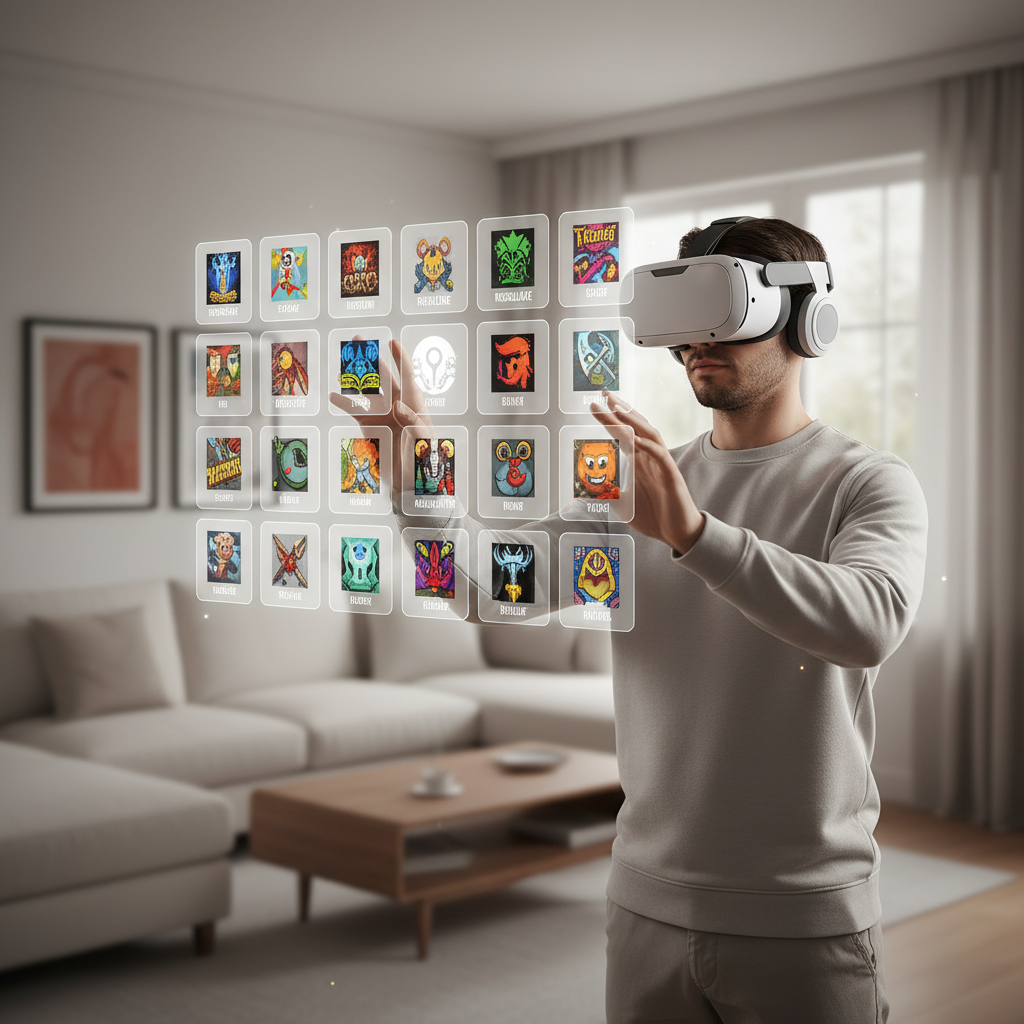
What counts as a VR roguelike in 2026 (and what doesn’t)
A solid VR roguelike usually has three things: run-based structure, meaningful randomness, and skill expression that isn’t just stats. In practice, that means you can lose a run but still feel like you learned something you can use next time.
- Roguelike/roguelite loop: short-to-medium runs, randomized encounters, and resets after failure.
- Meta-progression: upgrades between runs, but ideally not so strong that it replaces skill.
- VR-first interactions: reloading, melee spacing, climbing, aiming, throwing, parrying, room-scale movement that actually matters.
What often gets mislabeled: wave shooters with a perk tree, linear campaigns with a “random loot” modifier, or sandbox combat arenas with no real fail state. Those can be fun, they just won’t scratch the same itch.
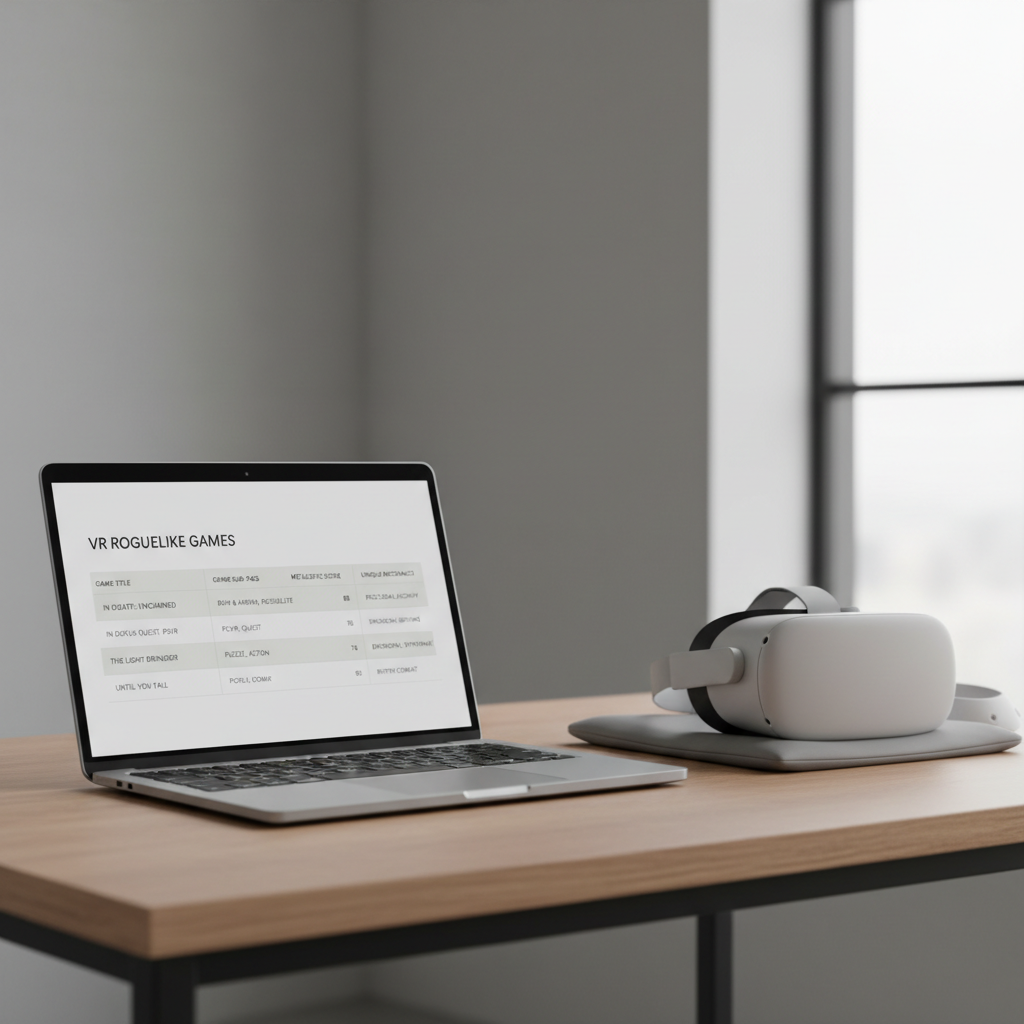
Quick comparison table: the short list people keep coming back to
Because store pages can be vague, here’s a practical snapshot. “Comfort” is about motion sensitivity risk, not “quality.” Availability and features can vary by platform and updates, so treat this as a shopping shortlist, then confirm on the store page you use.
| Game | Core feel | Run length | Comfort profile | Best for |
|---|---|---|---|---|
| The Light Brigade | Tactical gunplay + class builds | Medium | Medium (smooth locomotion common) | Players who like deliberate pacing |
| Until You Fall | Melee rhythm, stamina, timing | Short–Medium | High (room-scale friendly) | Fitness-ish swordplay without chaos |
| Compound | Retro shooter, crisp gun handling | Short | Medium–High (tunable) | Arcade runs and quick resets |
| In Death: Unchained | Archery precision, long mastery arc | Medium | High (teleport options) | Players who want “one perfect run” |
| Ancient Dungeon VR | Dungeon crawling, melee + loot | Medium | Medium–High (depends on movement) | Exploration with bite-sized risk |
Top picks (and who each game fits)
The Light Brigade
If you want a roguelike where positioning matters and upgrades feel like build decisions, this is an easy recommendation. The gunplay leans “tactical” rather than “spray and pray,” and the classes help runs feel meaningfully different.
- Why it works: builds have identity, encounters reward patience, weapons feel grounded.
- Watch-outs: smooth movement is common, so comfort settings matter if you’re sensitive.
Until You Fall
For a lot of people, this is the “I didn’t expect to sweat” roguelite. It’s readable, timing-based melee where you learn enemy patterns and your body starts reacting before your brain finishes the thought.
- Why it works: strong feedback loop, clean readability, great for short sessions.
- Watch-outs: can feel repetitive if you prefer loot variety over mastery.
Compound
Blocky visuals hide one of the tightest VR shooter loops around. Runs are fast, guns feel distinct, and the randomness stays fun because the fundamentals are simple and responsive.
- Why it works: quick restarts, satisfying shooting, low friction.
- Watch-outs: retro style isn’t for everyone, and the vibe is intentionally arcade.
In Death: Unchained
This one is all about precision and nerves. If you like archery in VR and you enjoy the slow climb toward consistency, it’s hard to beat. Lots of players keep it installed for years because mastery takes time.
- Why it works: high skill ceiling, teleport-friendly options, “just one more run” pacing.
- Watch-outs: can feel punishing early, especially if you want fast power growth.
Ancient Dungeon VR
For dungeon fans, the loop is straightforward: explore, survive, take smarter risks next time. It tends to appeal to players who want melee plus that classic “what’s in the next room” tension.
- Why it works: exploration feels natural in VR, good sense of progression.
- Watch-outs: motion comfort depends heavily on your movement choices.
A fast self-check: which “best VR roguelike” are you actually looking for?
Most disappointment comes from picking the wrong sub-genre, not picking the “wrong game.” Use this quick checklist and be honest with yourself.
- I get motion sick easily: favor teleport options, smaller arenas, and games with strong comfort menus.
- I want gunplay that feels real: prioritize reload feel, recoil behavior, and weapon variety over “more perks.”
- I want a workout: lean melee, room-scale dodging, shorter runs you can repeat.
- I want long-term mastery: pick games where improvement is mostly you, not just meta upgrades.
- I only have 20–30 minutes: look for short runs and fast restarts, not long dungeon marathons.
Practical setup tips: make VR roguelikes feel better fast
You can buy one of the best vr roguelike games 2026 has to offer and still bounce off it if your settings fight you. These tweaks usually make the biggest difference.
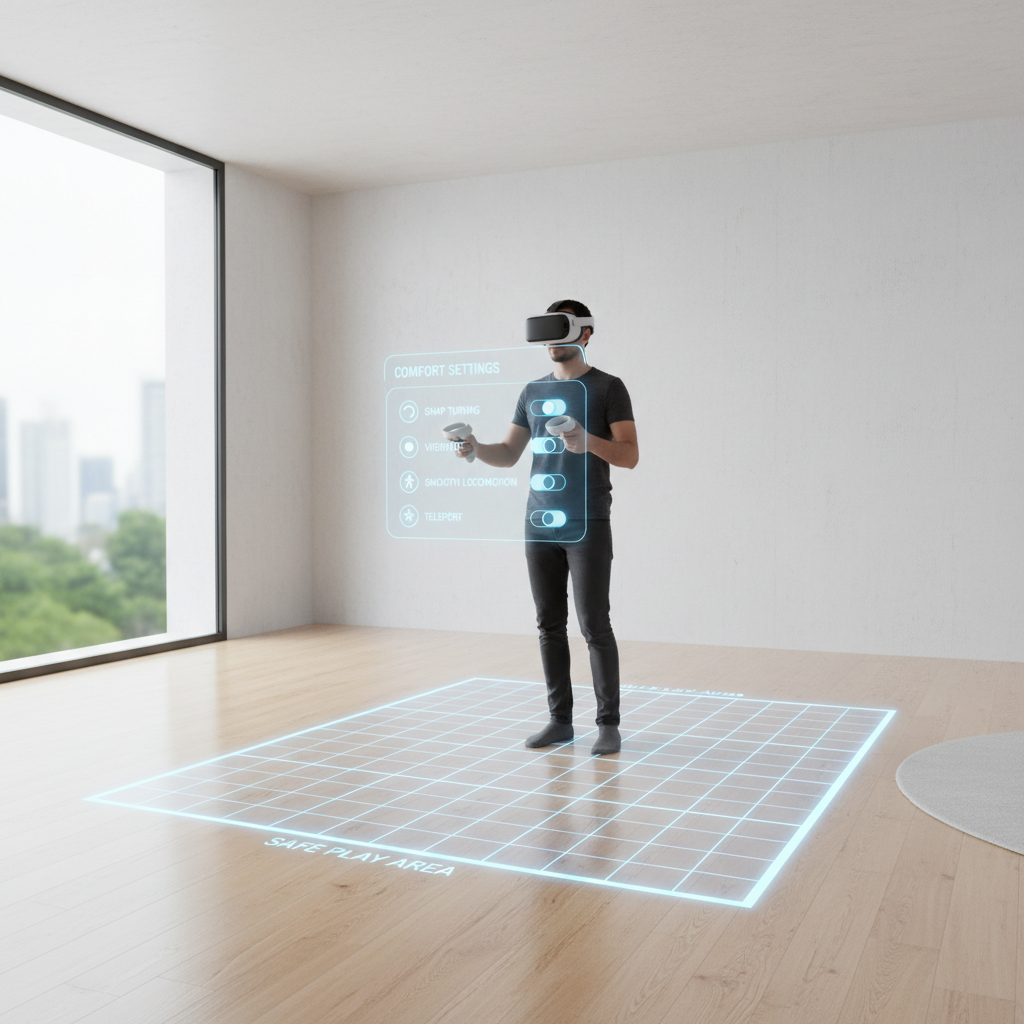
Comfort and movement
- Start with snap turn if smooth turning bothers you, then loosen it later if you want.
- Use a small vignette only if you need it, heavy vignettes can reduce immersion for some players.
- Calibrate height and floor so melee reach and cover height feel correct, this prevents “why do I feel off” fatigue.
Clarity and performance
- Favor stable frame rate over max graphics, a steady experience usually feels better than sharper-but-choppy visuals.
- Keep lenses clean and adjust headset fit, blur often comes from alignment, not resolution.
Controller and accessibility
- Turn on assist options if a game offers them, especially for reload complexity or one-handed modes.
- Remap key actions so your most-used movement and dodge inputs feel automatic.
According to Oculus (Meta) safety guidance, you should keep a clear play area and use the wrist straps or controller grips to reduce the chance of accidental hits or drops, especially in fast melee roguelites.
Common mistakes when buying VR roguelikes (so you don’t waste your time)
A few patterns show up again and again, and they explain most refund requests and “why does everyone like this” posts.
- Chasing content volume over run quality: a smaller game with better combat feedback can outlast a bigger one.
- Ignoring comfort options: if a store page is vague, look for reviews mentioning locomotion choices before buying.
- Expecting flat-screen pacing: in VR, intense moments feel longer, so “slow” can be a feature, not a flaw.
- Over-investing in meta upgrades early: many games become more fun when you improve fundamentals first.
When to ask for help or reconsider a purchase
If you repeatedly feel nausea, headaches, or eye strain, it’s smart to pause and adjust settings, shorten sessions, or consider comfort-first titles. If symptoms persist, consulting a healthcare professional is a safer call than trying to “push through.”
For technical issues like stutter, tracking drift, or controller latency, check the headset vendor support pages and the game’s known-issues list. In many cases it’s firmware, lighting, or boundary setup rather than the game itself.
Key takeaways and what to play next
If you want a confident starting point, match the game to your tolerance and your preferred “loop,” then spend 20 minutes tuning comfort and controls before judging it. That one habit changes the experience more than people expect.
- Deliberate gun builds: try The Light Brigade.
- Readable melee mastery: go Until You Fall.
- Quick arcade runs: pick Compound.
- High-skill archery loop: In Death: Unchained is the move.
- Dungeon crawling with bite: Ancient Dungeon VR fits well.
If you’re comparing two options, pull up a few recent reviews and look specifically for comfort settings and update cadence, not just hype. Then pick one and commit to five runs before you decide.