
Best games with underwater exploration usually share one thing: they make the ocean feel like a place you want to stay, not a level you rush through. If you’re hunting for that mix of mystery, atmosphere, and genuine “what’s down there?” curiosity, you’re in the right lane.
A lot of players get burned by underwater sections that feel slow, confusing, or punishing, especially when oxygen meters and awkward controls pile up. But when a game gets it right, underwater travel becomes the main event: navigation, discovery, survival, and storytelling all click.
This guide focuses on games where diving is meaningful, not a gimmick. You’ll get quick recommendations, a comparison table, a self-check for your preferences, and practical tips so the first hour feels exciting instead of frustrating.
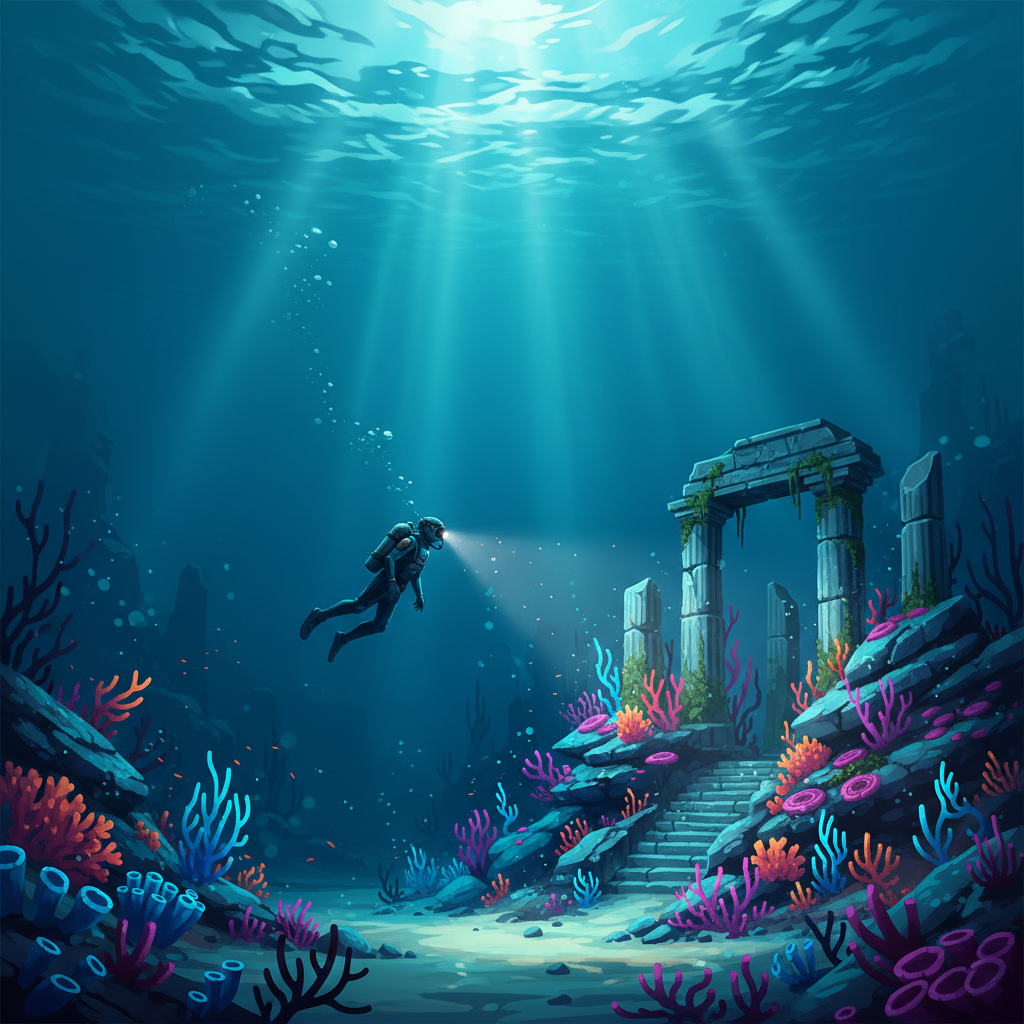
What “Underwater Exploration” Actually Means (and Why Some Games Feel Better)
People say “underwater exploration” and mean different things. In many cases, the difference is whether the game makes you navigate and discover, or just swim through a tunnel.
- Open-water discovery: you’re scanning, mapping, and choosing routes, often with vertical depth as the real challenge.
- Survival diving: oxygen, pressure, predators, temperature, crafting, base-building, and resource loops drive decisions.
- Story-first diving: exploration supports narrative beats, environmental storytelling, and set-piece moments.
- Traversal-heavy worlds: you spend a lot of time underwater as part of a broader map, sometimes with upgrades that change how it feels.
According to NOAA, the ocean covers more than 70% of Earth’s surface, and we still have much to learn about it. Games obviously aren’t documentaries, but that “vast, unknown” vibe is exactly what the best diving-focused titles tend to capture.
Quick Comparison Table: Picks by Vibe, Pressure, and Platform
If you just want the shortlist, start here. These are well-known options in the underwater exploration space, with different flavors depending on how intense you want the experience to feel.
| Game | Best for | Intensity | Exploration style | Notes |
|---|---|---|---|---|
| Subnautica | Survival + discovery loop | High | Open ocean, crafting, bases | Brilliant sense of depth; can be scary |
| Subnautica: Below Zero | More guided survival | Medium | Biomes + story beats | Less mystery, smoother onboarding for some |
| ABZÛ | Relaxing, artful diving | Low | Guided exploration | Shorter, very “feel” focused |
| Endless Ocean (series) | Peaceful marine discovery | Low | Surveying, cataloging | Slower pacing, cozy vibe |
| No Man’s Sky | Space game with real underwater time | Variable | Planetary oceans, base building | Depends on planet and difficulty settings |
| Dave the Diver | Short dive loops + management | Medium | Dive, collect, upgrade | Exploration is bite-sized, very playable |
| Assassin’s Creed IV: Black Flag | Underwater ruins as side content | Medium | Diving sites | Tense stealthy dives, not the whole game |
The Standout Games (Why They Work, Who They’re For)
Subnautica
When people ask for the best games with underwater exploration, this is the one that keeps coming up, and it’s not just hype. It treats the ocean as a layered world where every deeper push changes the rules, your tools, and your nerves.
- Why it works: strong biome variety, meaningful crafting, clear “risk vs reward” pacing.
- Who it fits: players who like survival systems and don’t mind being unsettled.
- Heads-up: if you dislike jumpy predator encounters, consider easier settings or a different pick.
ABZÛ
ABZÛ is the antidote to stressful oxygen timers. You’re still exploring underwater spaces, but the goal is mood, movement, and wonder more than resource pressure.
- Why it works: fluid swimming, beautiful composition, calm pacing.
- Who it fits: players who want a short, memorable dive without management layers.
No Man’s Sky (for underwater base builders)
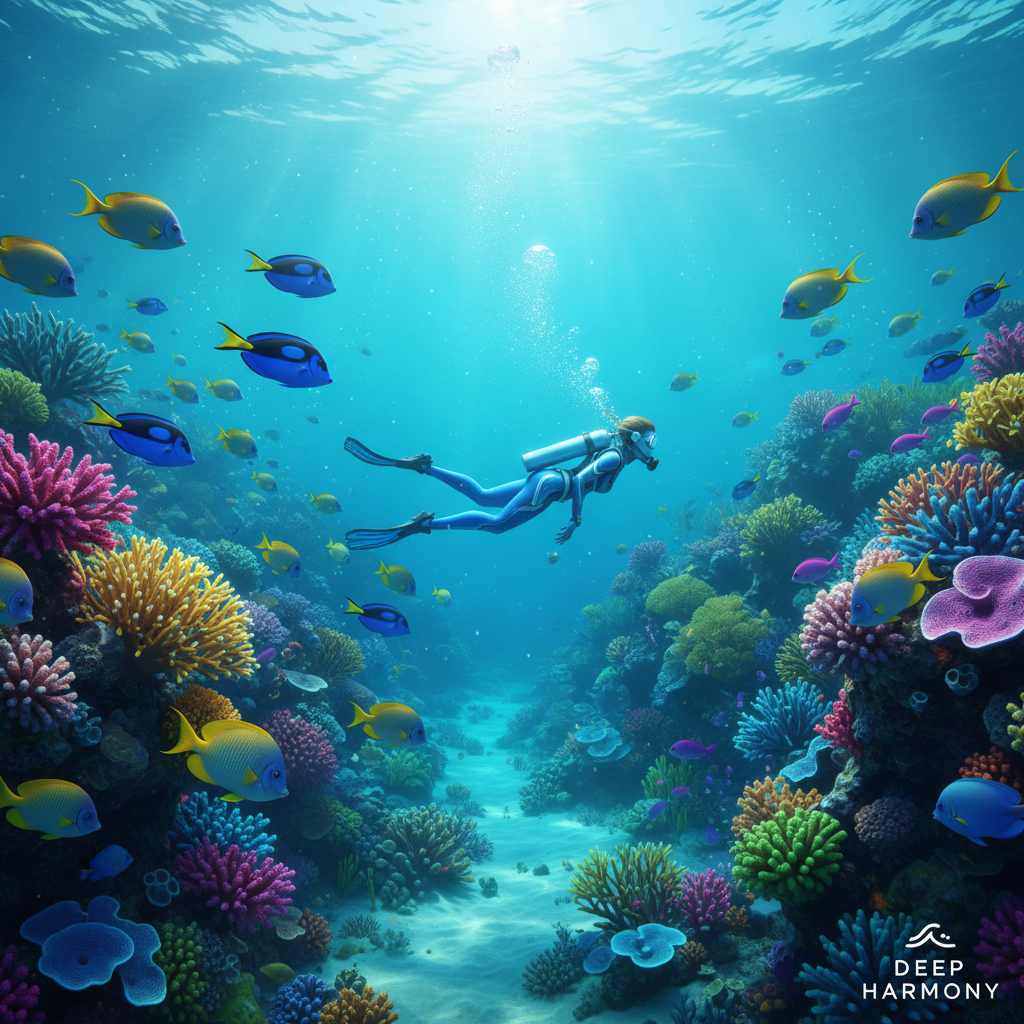
No Man’s Sky is not “an ocean game,” but if you like sandbox freedom, it can deliver surprisingly satisfying underwater exploration. You can find ocean planets, scan life, and build aquatic bases depending on your goals and settings.
- Why it works: scale, variety, long-term progression.
- Who it fits: explorers who enjoy making their own objectives.
- Reality check: underwater content varies a lot by planet generation and your tolerance for repetition.
Dave the Diver (for “one more dive” loops)
If you want exploration but also want a tight gameplay loop, Dave the Diver hits that sweet spot. Dives are structured, you learn the map, you upgrade gear, and the ocean becomes a playground rather than a maze.
- Why it works: approachable progression, satisfying upgrades, strong pacing.
- Who it fits: players who bounce off open-ended survival crafting.
Assassin’s Creed IV: Black Flag (for tense diving “episodes”)
These diving sections are not the whole package, but they’re memorable: limited air, hostile sea life, and a clear “get in, get out” pressure. For some players, that’s exactly the right amount of underwater.
- Why it works: focused scenarios, strong atmosphere.
- Who it fits: players who want underwater exploration as a side dish, not the main course.
Self-Check: Which Type of Underwater Game Will You Actually Stick With?
Before you buy anything, get honest about what usually makes you quit. This quick checklist prevents the classic mistake: picking a “top-rated” ocean game that clashes with your tolerance for survival stress.
- I enjoy crafting and inventory management → you’ll probably like Subnautica or No Man’s Sky.
- I want relaxing vibes, minimal fail states → ABZÛ or Endless Ocean is a safer bet.
- I hate getting lost → look for guided exploration or structured dives like Dave the Diver.
- I want scary depth and danger → survival-focused underwater games typically deliver this best.
- I only have 20–40 minutes at a time → bite-sized dive loops beat sprawling sandboxes.
Practical Tips: Make Underwater Exploration Feel Good (Not Clunky)
Even the best games with underwater exploration can feel awkward if you play them like a land-based RPG. A few small habits change the whole experience.
Dial in controls and camera early
- Increase look sensitivity slightly if turning feels sluggish underwater.
- Invert Y-axis only if your brain expects “flight-style” swim controls.
- On controller, consider remapping “ascend/descend” to comfortable triggers.
Use the surface as your navigation anchor
- When you feel lost, pop up, reorient using landmarks, then dive again.
- Mentally mark a “safe return line” such as a ridge, kelp wall, or wreck.
Manage oxygen and risk like a budget
- Go out with a plan: scan, loot, or reach a waypoint, not all three.
- Turn back earlier than you think you need, panic swimming wastes time.
- If a game includes pressure or depth damage, upgrade for depth before pushing deeper.
Common Mistakes That Ruin the Dive (and Easy Fixes)
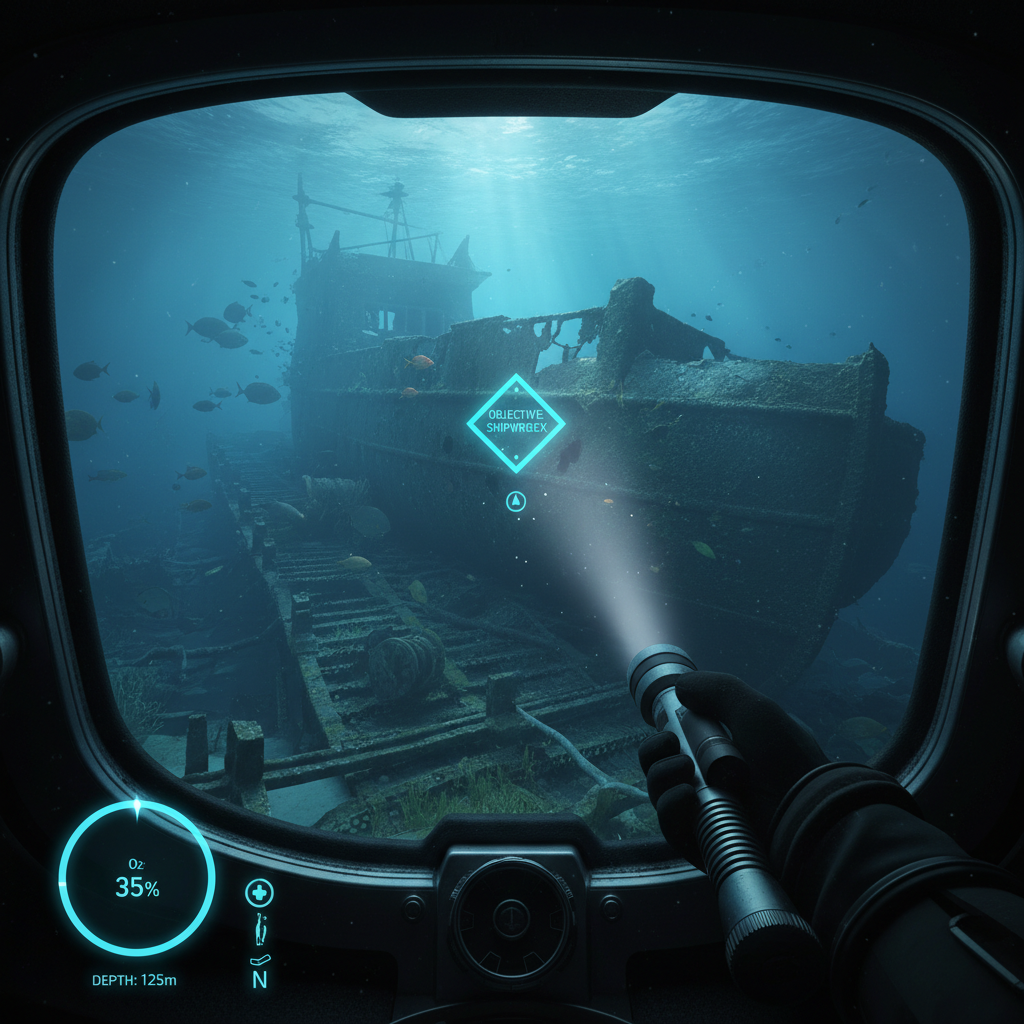
Most “this game is tedious underwater” complaints come from a handful of predictable friction points. You can often fix them without changing the game.
- Over-looting early: you get greedy, inventory fills, oxygen ticks down, and the trip turns stressful. Fix: do short scouting dives, then dedicated resource runs.
- Ignoring audio cues: many underwater threats announce themselves. Fix: keep volume up or use headphones if possible.
- Pushing depth too soon: deeper zones assume upgrades. Fix: treat depth gates as progression, not a challenge to brute-force.
- Playing on the wrong difficulty: some titles become dramatically more enjoyable with one notch less pressure. Fix: start easier, then raise it if you feel bored.
Also, if you experience motion sickness, underwater camera sway can be a trigger. According to the Mayo Clinic, motion sickness can be reduced by strategies like focusing on a stable point and adjusting position; in games, that often translates to reducing camera bob, widening FOV, and taking short breaks. If symptoms are severe, it may be worth consulting a healthcare professional.
Key Takeaways and What to Play Next
If you want one “deep” recommendation, pick Subnautica for survival-driven discovery, then switch to ABZÛ when you want something calmer. If you like structured sessions, Dave the Diver tends to land well. If you prefer big sandboxes and self-directed goals, No Man’s Sky can keep you busy for a long time.
- Choose by pressure level, not just review scores.
- Underwater feel is about controls + pacing, so tweak settings early.
- Exploration works best with a simple plan: scout, then commit.
If you’re deciding between two games, write down what you want the ocean to feel like: cozy, thrilling, mysterious, or tactical. That one sentence usually makes the choice obvious.
FAQ
What are the best games with underwater exploration if I hate survival crafting?
ABZÛ is a safer starting point because it keeps the focus on movement and atmosphere. Dave the Diver can also work since upgrades exist, but the loop feels more guided than typical survival crafting.
Which underwater exploration games are relaxing rather than scary?
ABZÛ and Endless Ocean are commonly seen as calmer options. Many survival-focused titles lean into fear of depth and predators, so check tone before buying.
Is Subnautica too scary for most players?
It depends on your tolerance for deep water, darkness, and predator sounds. Some players find it thrilling, others find it stressful, and difficulty settings or playstyle can soften the edge.
What should I look for in an underwater exploration game besides “good graphics”?
Pay attention to navigation tools, control responsiveness, and whether the game gives you meaningful reasons to dive deeper. Pretty water helps, but progression design matters more after the first hour.
Do any open-world games have worthwhile underwater exploration even if it’s not the main focus?
Yes, some large open-world titles include diving sites, ruins, or collectible-driven underwater routes. The trade-off is that these sections are often shorter and less system-rich than dedicated ocean games.
How do I avoid getting lost underwater in big survival maps?
Use beacons/markers if available, return to the surface to reorient, and do short “mapping dives” where the only goal is learning landmarks. Trying to loot and navigate at the same time usually backfires.
What settings help with underwater motion sickness?
Reducing camera bob, increasing FOV, raising brightness in darker biomes, and taking breaks can help. If you’re prone to motion sensitivity, start with shorter sessions and adjust one setting at a time.
If you’re trying to pick between a few underwater titles and want a more specific shortlist, it often helps to say what you liked or hated about your last “ocean game” and how much survival pressure you want, then you can narrow down to a match instead of rolling the dice.