
Best games with psychological story twists can feel like magic when they land, that moment your brain rewrites everything you thought you understood about the characters, the world, even your own choices.
The problem is, “psychological twist” gets slapped on a lot of games that are simply dark or confusing, and if you buy on hype alone, you end up with a thriller that never actually turns the screw.
This guide focuses on games where the twist grows from perspective, memory, identity, unreliable narration, or player complicity, and I’ll also help you match the right kind of mind-bender to your tolerance for horror, sadness, or heavy themes.
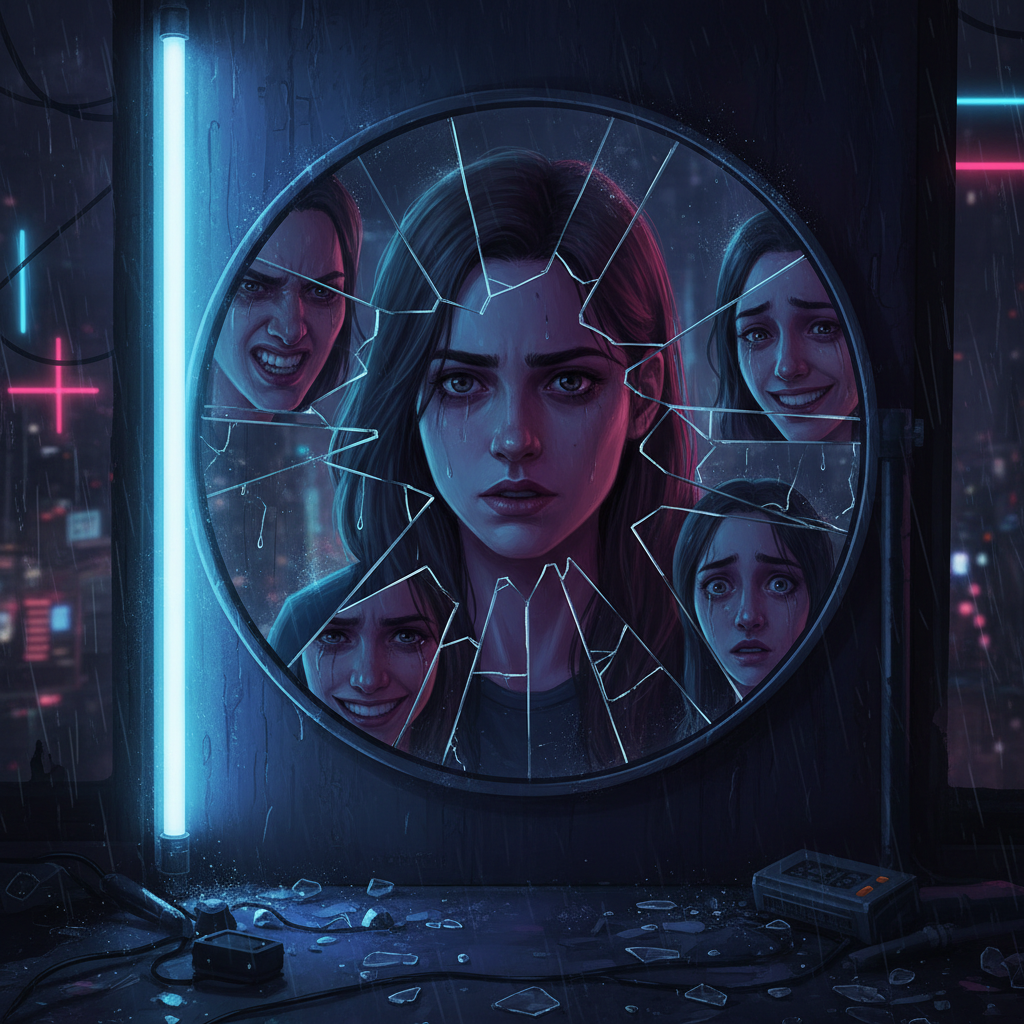
What counts as a “psychological story twist” in games
A good psychological twist usually doesn’t come from a random gotcha, it comes from how the story frames reality. You’re not just surprised, you’re implicated.
- Unreliable perspective: the narrator or protagonist can’t be fully trusted, often for emotional or cognitive reasons.
- Identity and memory shifts: the “truth” changes when you learn who someone is, or what they forgot on purpose.
- Player complicity: your actions feel normal until the game reframes them, and that reframe stings.
- Reality bending with rules: the world gets strange, but there’s an internal logic that makes the reveal feel earned.
According to the American Psychological Association, humans build meaning through schemas and mental models, so twists hit harder when a story forces you to revise the model you already committed to.
Quick comparison table: mood, length, and “twist style”
If you want a fast shortlist, this table gives you a feel for what you’re signing up for, without spoiling the point of playing.
| Game | Twist style (no spoilers) | Vibe | Time commitment (typical) |
|---|---|---|---|
| BioShock | Player complicity, reframing choice | Atmospheric, tense | Medium |
| Spec Ops: The Line | War narrative inversion | Heavy, unsettling | Medium |
| Silent Hill 2 | Guilt, identity, perception | Horror, melancholic | Medium |
| Disco Elysium | Self-construction, memory, ideology | Smart, weird, funny-sad | Long |
| INSIDE | Wordless escalation, conceptual flip | Cold, eerie | Short |
| Doki Doki Literature Club! | Meta narrative rupture | Cute-to-disturbing | Short |
The list: best games with psychological story twists (spoiler-light)
This isn’t “every twist game ever.” These picks earn their turns, and they do it in different ways, which matters if you love surprises but hate feeling manipulated.
BioShock
One of the cleanest examples of a game using interactivity to set up a reveal, then pulling the rug in a way only games can. If you like philosophical sci‑fi with a sharp moral edge, it’s an easy recommendation.
- Why it works: the story twist is inseparable from how you follow objectives.
- Good for: players who want a classic narrative punch without extreme horror.
Spec Ops: The Line
This one divides people because it’s intentionally uncomfortable, and it wants you to question your role as “the hero.” Many folks remember it less as fun and more as a controlled descent.
- Why it works: the twist grows out of genre expectations and player motivation.
- Heads-up: war themes and disturbing moments, skip if that’s a bad mix for you.

Silent Hill 2
Psychological horror at its most emotionally pointed. The twist here isn’t a party trick, it’s the endpoint of dread, symbolism, and denial.
- Why it works: monsters and environments function like inner life made visible.
- Good for: horror fans who want story meaning, not just scares.
Disco Elysium
If you want mind games without jump scares, this is a strong pick. The “twistiness” comes from how you rebuild a person from fragments, and how the world reacts to the version you choose to become.
- Why it works: psychology is the core mechanic, not just plot decoration.
- Good for: readers, role-players, and anyone who likes messy human truths.
INSIDE
Minimal dialogue, maximum control. It quietly trains you to accept a logic, then uses that logic to make the ending feel both inevitable and bizarre.
- Why it works: the reveal is communicated through motion, pacing, and framing.
- Good for: people who want a short, sharp experience that lingers.
Doki Doki Literature Club!
This is a twist game that leans into meta storytelling, and yes, it can get genuinely upsetting. It’s also one of the clearest examples of how a game can weaponize your comfort with familiar genres.
- Why it works: it breaks assumptions about what a game “is allowed” to do.
- Heads-up: check content warnings, especially if you’re sensitive to mental health themes.
Return of the Obra Dinn
Not horror, more like an obsessive detective board in game form. The psychological twist comes from how your certainty rises and collapses as you lock in conclusions.
- Why it works: you experience doubt as a mechanic, not a cutscene.
- Good for: puzzle fans who enjoy slow-burn revelation.
How to tell if a twist game will work for you
Before you buy another “mind-bending” title, do a quick gut-check. This saves you from picking something that’s technically clever but emotionally wrong for your week.
- I want a big narrative surprise more than I want combat or skill checks.
- I’m okay with ambiguity as long as the game feels intentional.
- I can handle discomfort if it serves a point, but I don’t want shock for shock’s sake.
- I prefer: horror / thriller / mystery / philosophical sci‑fi / character drama.
- I hate: jump scares, bleak endings, or being guilt-tripped by a game.
If two or three of those lines made you hesitate, you still can enjoy the best games with psychological story twists, you just want the right sub-genre, like detective puzzlers instead of trauma-forward horror.
Practical tips to maximize the twist (without spoilers)
Twist games are fragile experiences. A few habits make them hit harder, and none require you to be a “serious gamer.”
- Avoid “explained ending” videos until after credits, even thumbnails can spoil structure.
- Play in longer sessions when possible, psychological pacing gets diluted when you only play 20 minutes at a time.
- Use headphones if the game leans on audio cues, many reveals are set up through sound design.
- Take notes for mystery-heavy titles, not because you must, but because it makes the reframe satisfying.
- Don’t chase 100% completion on a first run if it turns into a checklist, twists thrive on momentum.
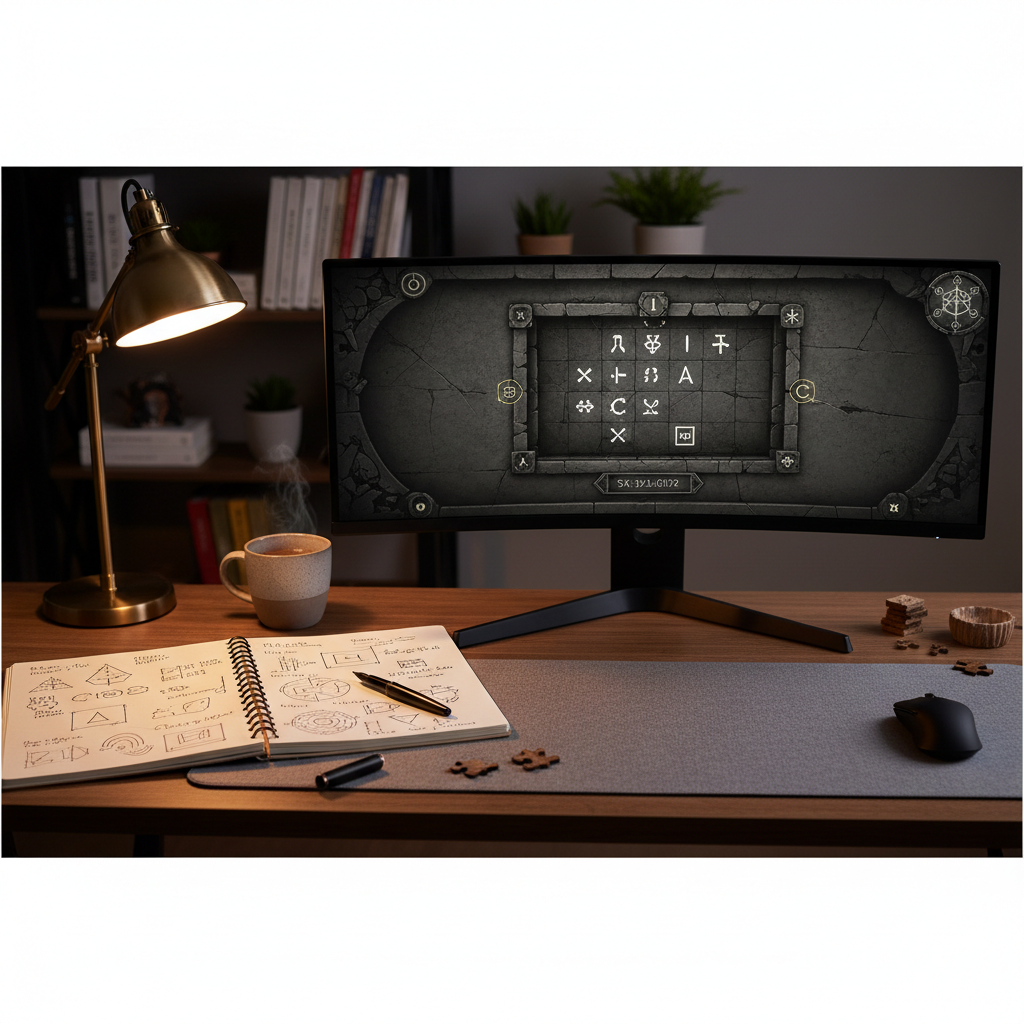
Common misconceptions that ruin twist-heavy games
People usually don’t “miss” twists because they’re not smart enough, they miss them because expectations are off.
- “A twist means a totally random reveal.” In many cases, the best ones feel obvious in hindsight because the game played fair.
- “Psychological equals horror.” Not always, plenty of best games with psychological story twists are mysteries or character dramas.
- “If I guess it early, it’s bad.” Sometimes the real payoff is watching the story confirm your suspicion in a devastating way.
- “More confusion means more depth.” Confusion can be a mask for weak writing, depth usually has a pattern you can feel.
When to take a pause or get extra support
Some psychological narratives touch grief, self-harm, trauma, or intense paranoia. If you notice a game triggering anxiety, sleep disruption, or intrusive thoughts, it’s reasonable to step back, switch to something lighter, or talk with a qualified mental health professional.
According to the National Institute of Mental Health, mental health symptoms can look different across people and situations, so it’s worth treating your reaction as real data, not something to “push through” for a plot twist.
Key takeaways
- Twists hit hardest when the reveal is tied to gameplay, not just a cutscene surprise.
- Pick by “twist style” and vibe, not marketing labels.
- Protect the experience by avoiding spoilers and keeping sessions long enough for pacing to work.
Conclusion
The best games with psychological story twists don’t just surprise you, they make you rethink what you believed and why you believed it. If you want a classic, start with BioShock, if you want something literary and personal, Disco Elysium tends to stick, and if you want a short punch, INSIDE is hard to shake.
Pick one game that fits your mood this week, commit to a spoiler-free run, and let the story earn its moment, that’s usually when the twist becomes a memory.
FAQ
What are the best games with psychological story twists if I don’t like horror?
Try Disco Elysium for character-driven psychological depth, or Return of the Obra Dinn for a twisty mystery without typical horror framing.
Are psychological twist games usually depressing?
Many lean heavy because they explore identity, guilt, or grief, but not all are bleak. Some deliver catharsis or dark humor, and the tone varies a lot by title.
What’s the difference between a plot twist and a psychological twist?
A plot twist changes what happened, a psychological twist changes how you interpret what happened and what it says about the mind of a character, or about your role as the player.
Which twist game is best for a single evening?
INSIDE and Doki Doki Literature Club! often fit into a short commitment, though DDLC can benefit from breaks because of its tone.
Do I need to replay twist-heavy games to appreciate them?
Not always, but replays can be rewarding because you notice foreshadowing and design choices. If you’re not into replays, pick games where the first run feels complete.
How do I avoid spoilers while still researching what to buy?
Look for reviews that clearly say “spoiler-free,” skim only the first paragraph, and focus on vibe, mechanics, and content warnings rather than story summaries.
Are there psychological twist games that focus more on puzzles than action?
Yes, Return of the Obra Dinn is a great example, and many indie narrative puzzlers build twists through deduction rather than combat.
If you’re trying to choose between a few titles and want something that fits your comfort level, it can help to list the themes you want to avoid and the kind of twist you enjoy most, then pick from the shortlist above instead of scrolling endless “mind-blowing endings” threads.